Experimental Artists
Expect abrupt shifts in rhythm, distorted textures, unconventional song structures, and sounds treated as instruments.
88 Experimental artists · 159 releases in the last 6 months · Top labels: Warp Records, Mute, UMC (Universal Music Catalogue)
Related Genres
Artists
















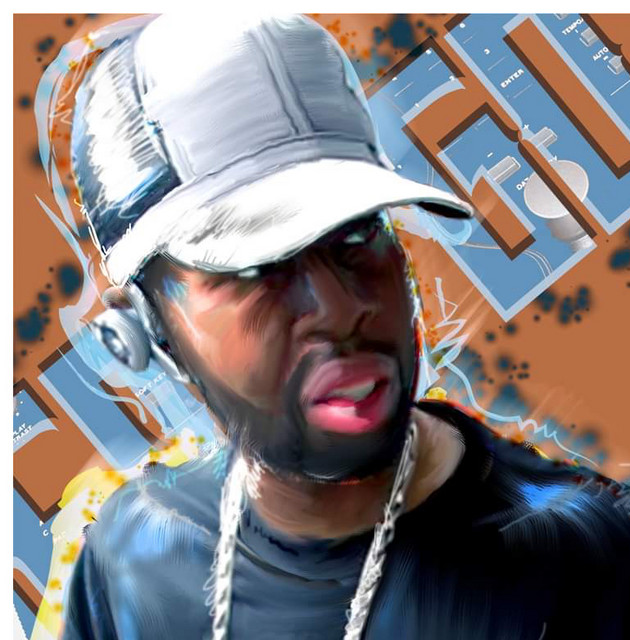

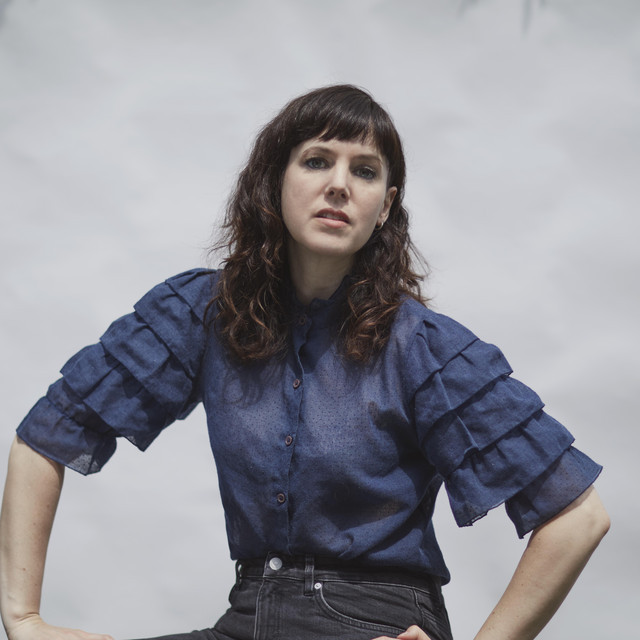
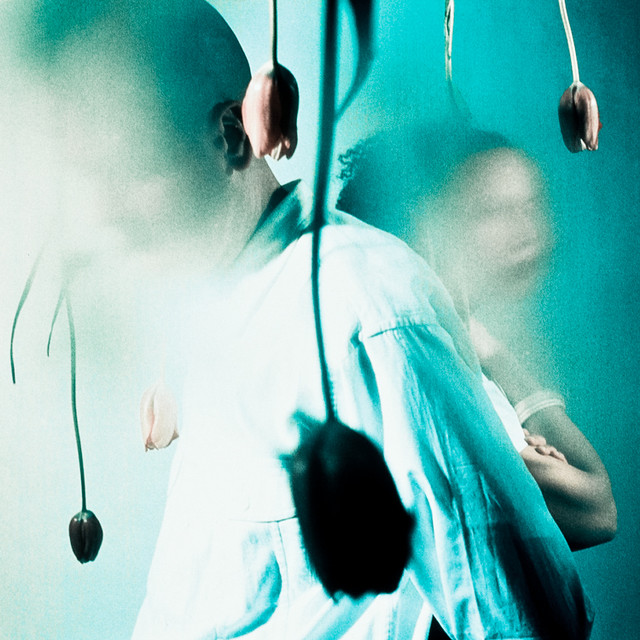

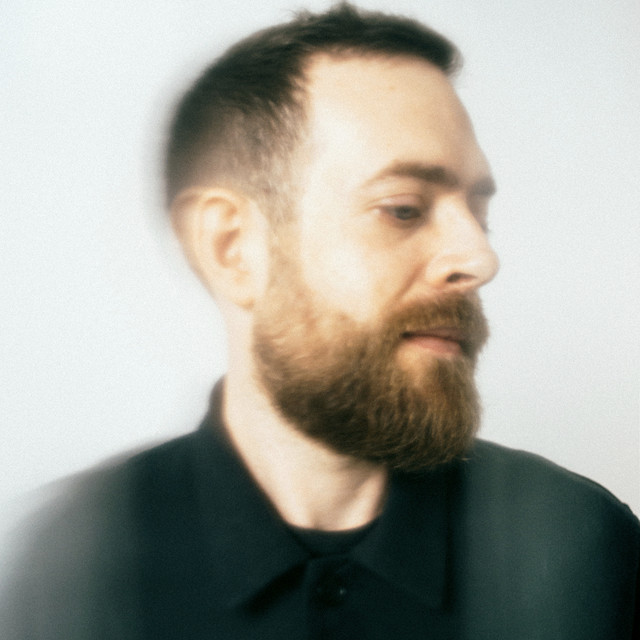















About Experimental
John Cage brought the term experimental music into wide use in the mid-20th century through compositions that allowed chance and indeterminacy to affect their outcome. Rather than treating a score as a set of fixed instructions, this approach can leave decisions to performers, procedures, or unpredictable events. Experimental music is therefore less a single sound than a way of working: it tests the assumptions behind composition, performance, instruments, and listening.
Its music may be sparse or densely assembled, acoustic or electronic, meticulously planned or partly open-ended. A piece might organise recorded noise, altered speech, unconventional instruments, unusual tunings, or abrupt combinations of styles. Repetition, melody, pulse and harmony aren't necessarily absent, but they may be disrupted, reframed or deliberately avoided. Free improvisation is one route into the field, with musicians responding in real time while trying not to fall back on familiar genre gestures. Other work uses sound itself as material, treating texture, location and recording artefacts as compositional elements.
The practice became prominent in Europe and North America during the mid-20th century. In France, Pierre Schaeffer used the term musique expérimentale from 1953 for work involving tape music, musique concrète and elektronische Musik. Musique concrète builds compositions from recorded, acousmatic sounds rather than relying only on conventional instrumental performance. In the United States, late-1950s experimental work also included computer-controlled composition associated with Lejaren Hiller. Elsewhere, Harry Partch and Ivor Darreg developed instruments for music using tuning systems based on harmonic physical principles.
Experimental music overlaps with electronic, ambient, IDM, art pop and hip hop whenever artists borrow their tools, but it isn't defined by a particular beat, instrument set or production method. Electronic music may centre a dance rhythm; ambient may prioritise sustained atmosphere; art pop may retain pop-song structures. Experimental work can use any of those forms, then subject them to uncertainty, unfamiliar sound sources, altered tuning, or a process whose result isn't fully known in advance.
Experimental at a glance
Top Labels
Notable Contributors
Recent Releases
Common questions
What is Experimental?
Experimental is a music genre defined by indeterminacy and chance procedures, unorthodox sound sources, hybridization of disparate styles, tape manipulation and musique concrète techniques, and free improvisation. Expect abrupt shifts in rhythm, distorted textures, unconventional song structures, and sounds treated as instruments.
Where did Experimental come from?
Experimental originated in Europe and North America, mid-20th century.
What instruments are used in Experimental?
Experimental is built mainly from tape recorder, computer, prepared piano, synthesizer, found objects, and custom-built instruments.
Which Experimental artists are most popular?
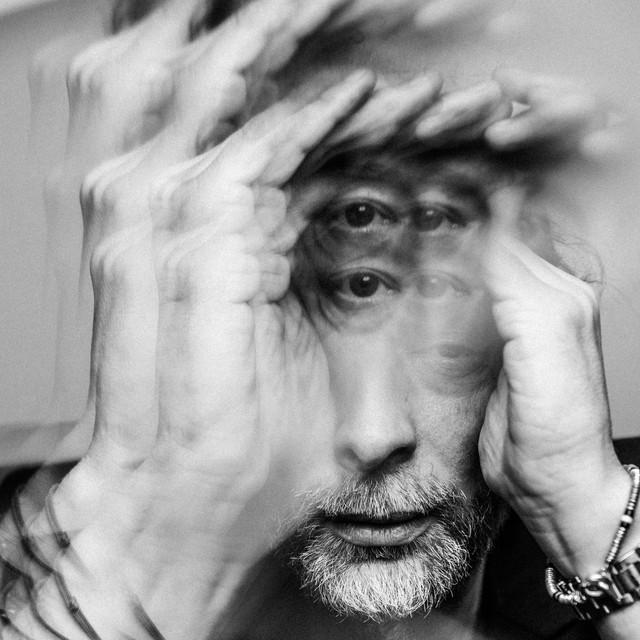
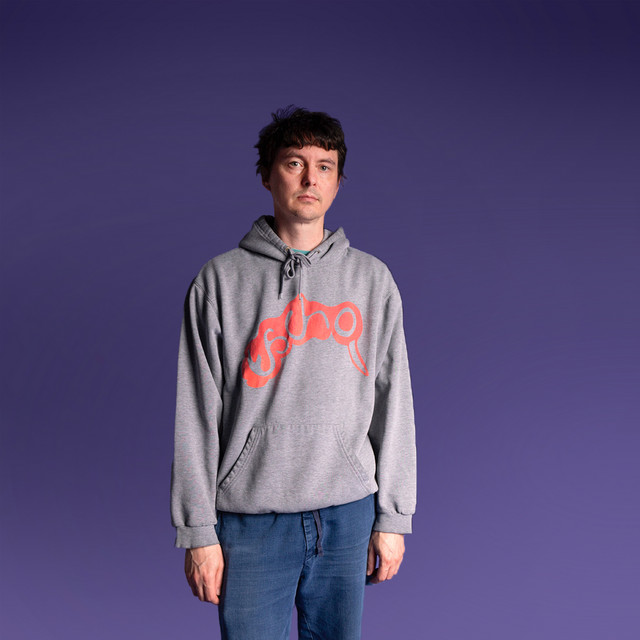
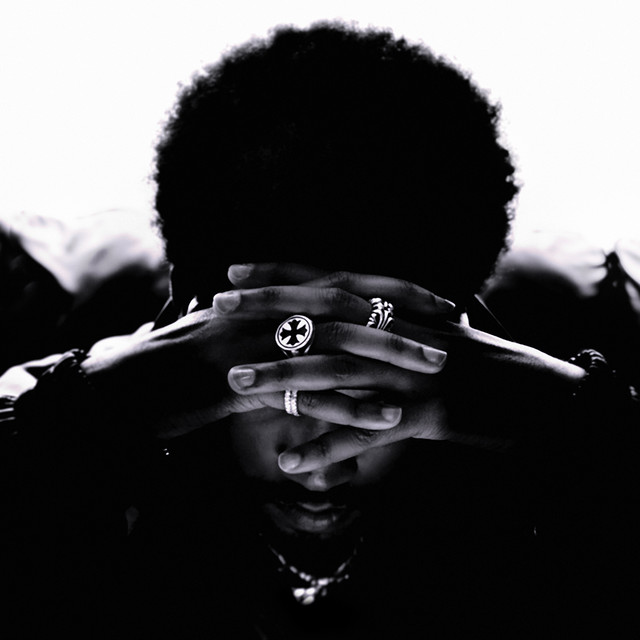
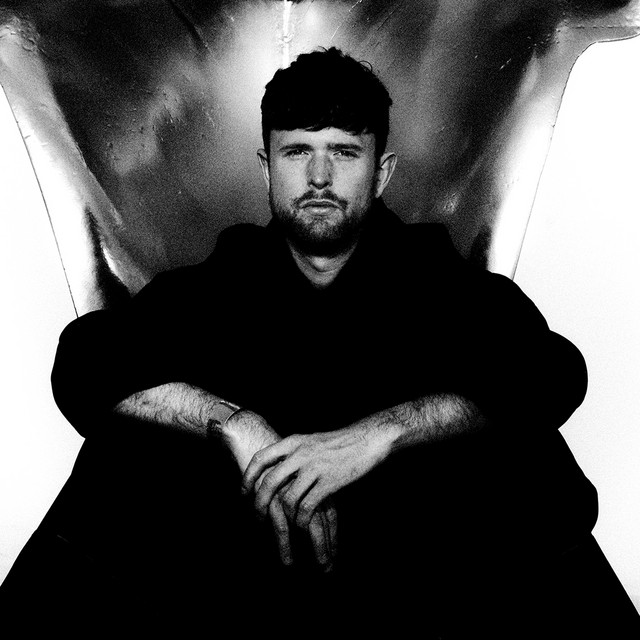
Portugal. The Man, Arca, BADBADNOTGOOD, King Krule, and Thom Yorke are the highest ranked by Spotify popularity of the 88 Experimental artists on this page.
Which labels release Experimental?
Warp Records, Mute, UMC (Universal Music Catalogue), CosmoFlux, and Domino Recording Co have put out the most Experimental records in the Tracknack catalogue.
What genres are similar to Experimental?
Artists tagged Experimental are most often also tagged Electronic, Ambient, Electronica, IDM, and House.
Stop missing releases.
Tracknack digs through album credits — producers, engineers, labels — so you don't have to. One Spotify or Apple Music playlist, always up to date.