Rap Artists
Rhymed verses ride drum-machine beats, with rappers shifting cadence, emphasis, and flow instead of carrying a sung melody.
69 Rap artists · 153 releases in the last 6 months · Top labels: Republic Records, RCA Records, Interscope Records
Related Genres
Artists




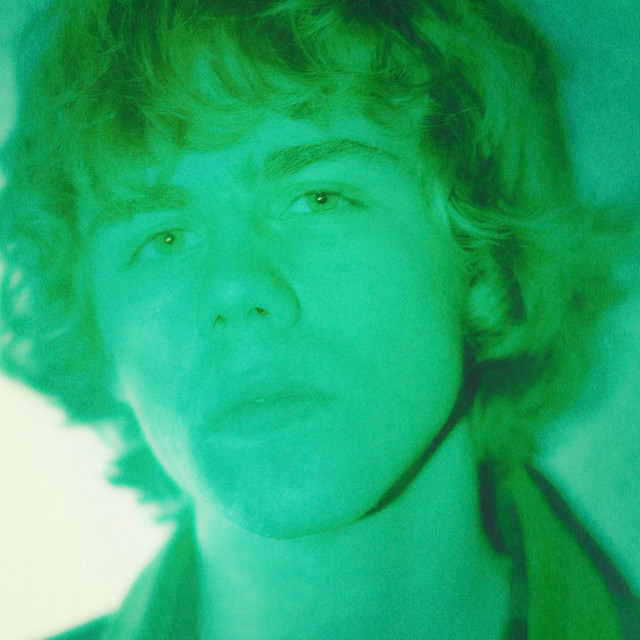
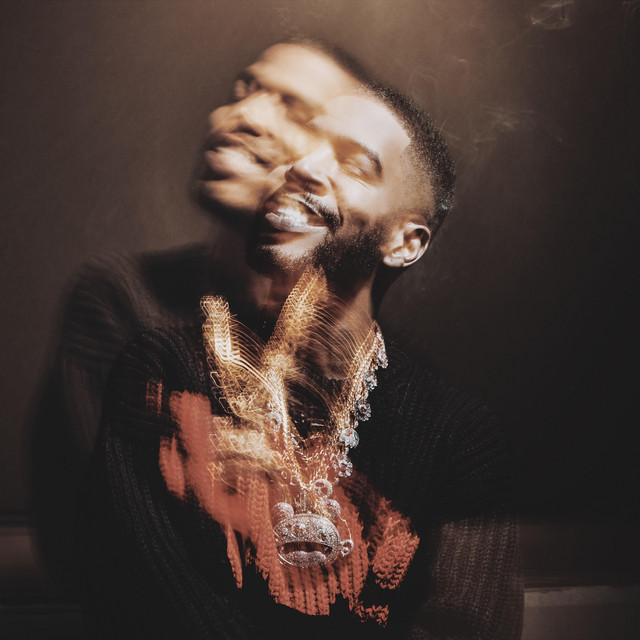
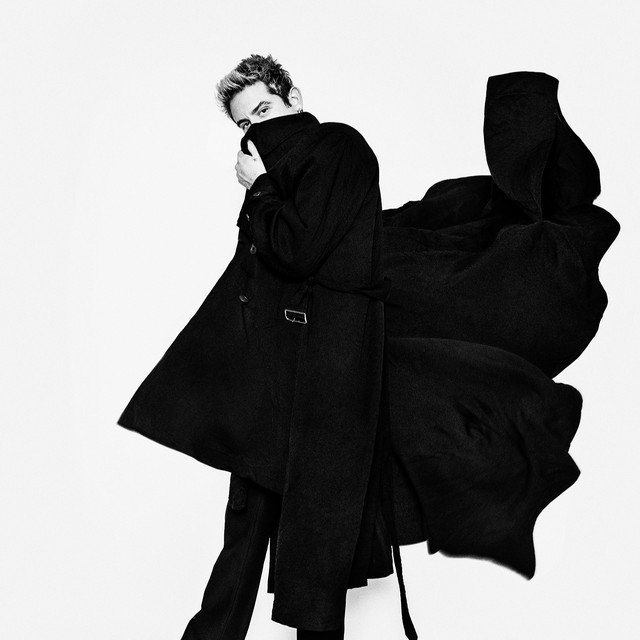
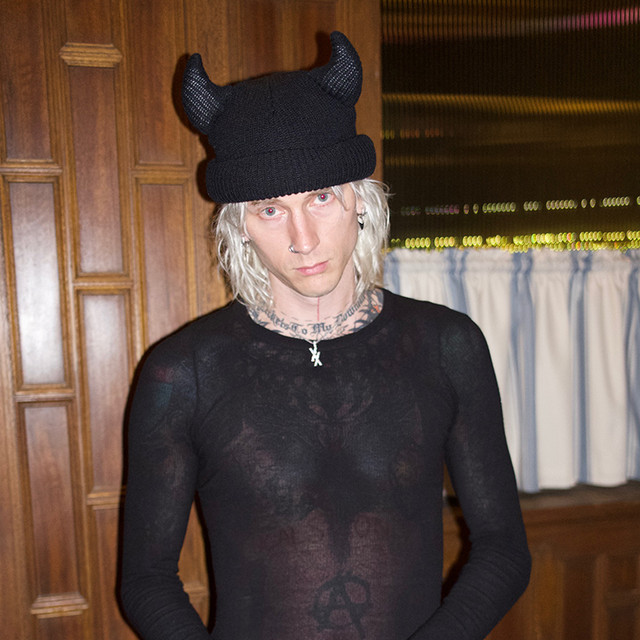

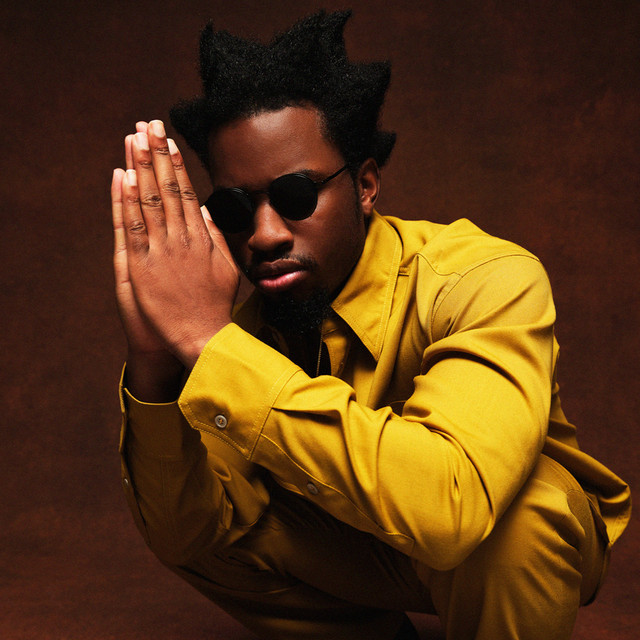

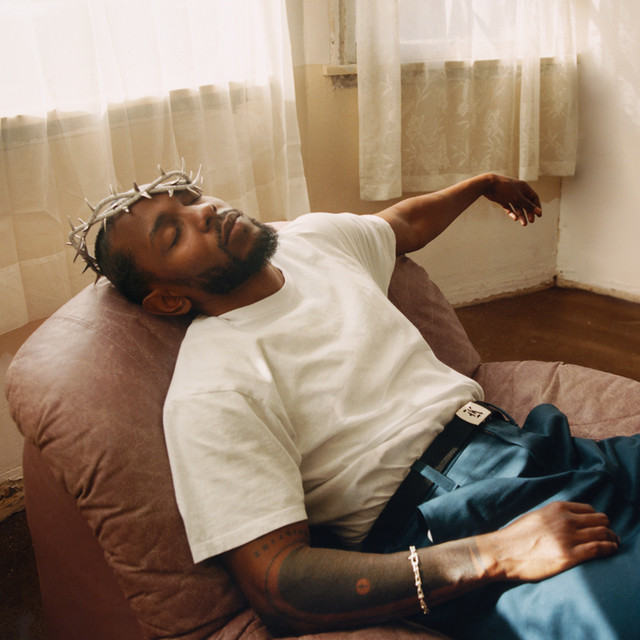
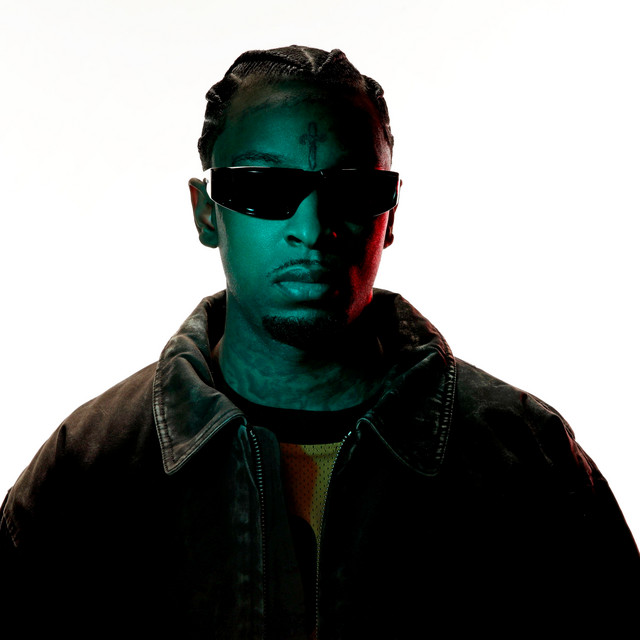



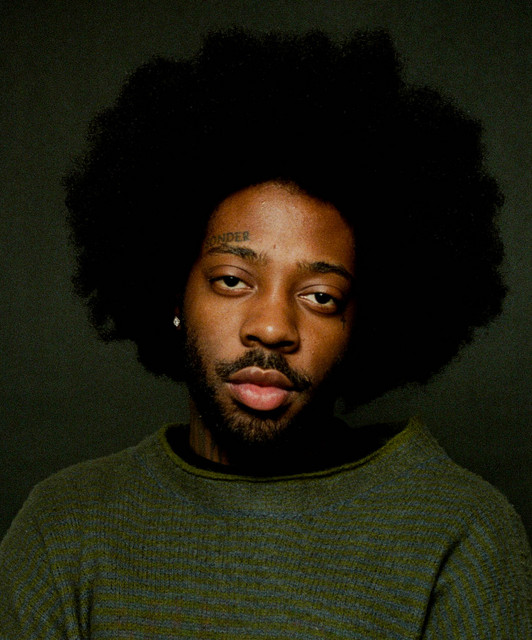
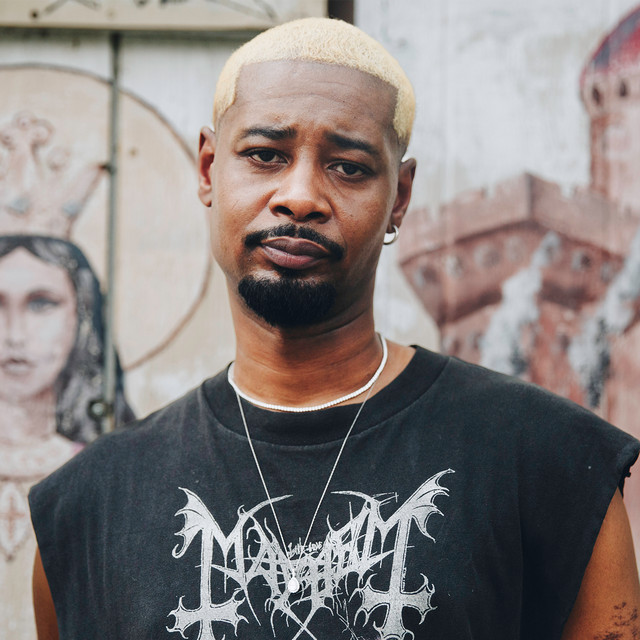
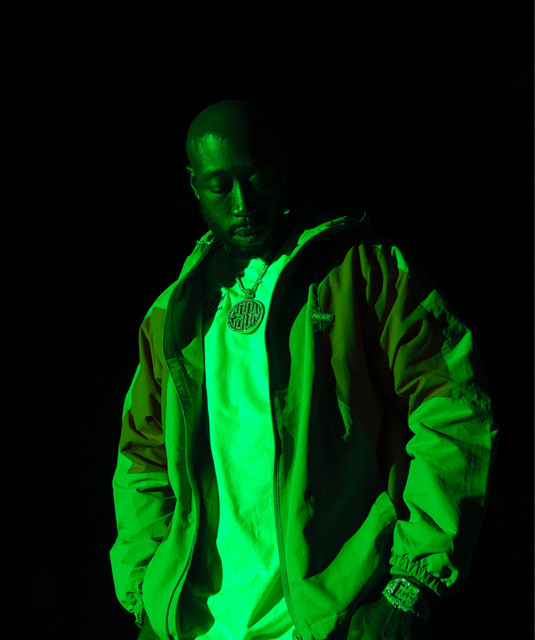
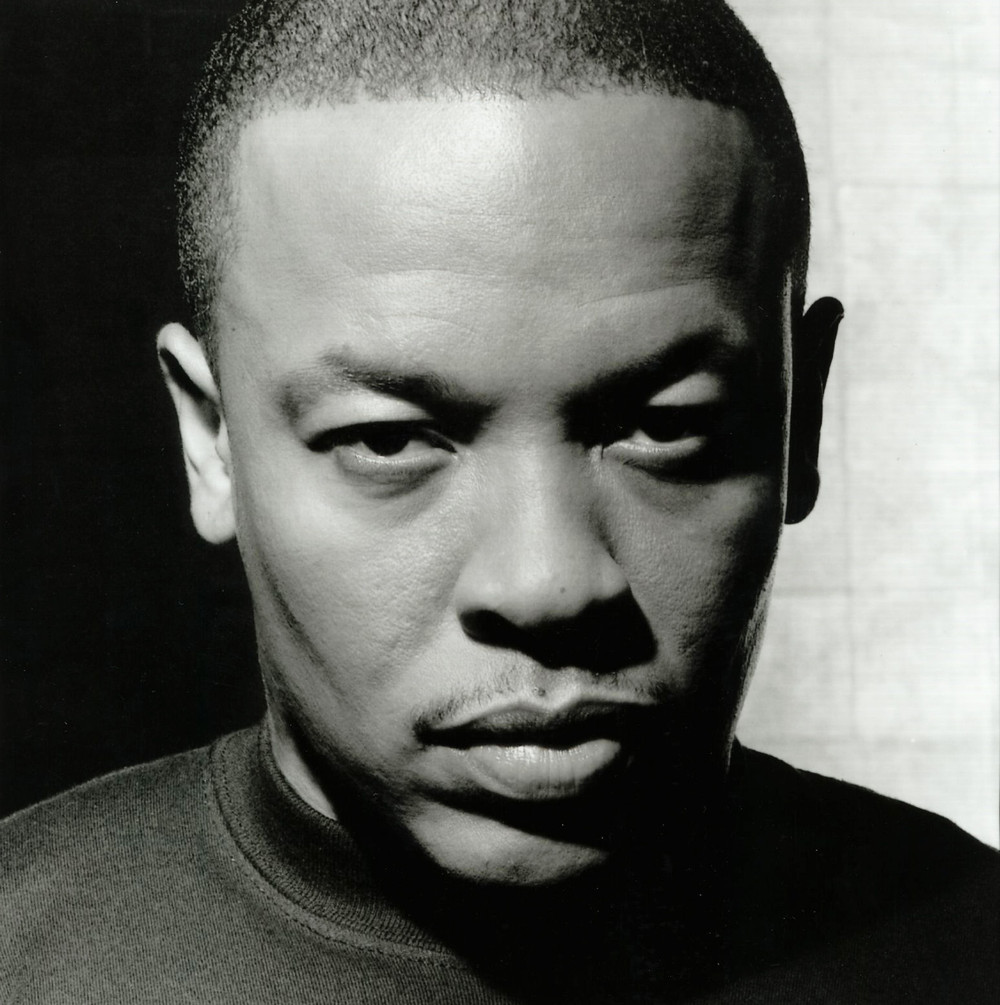
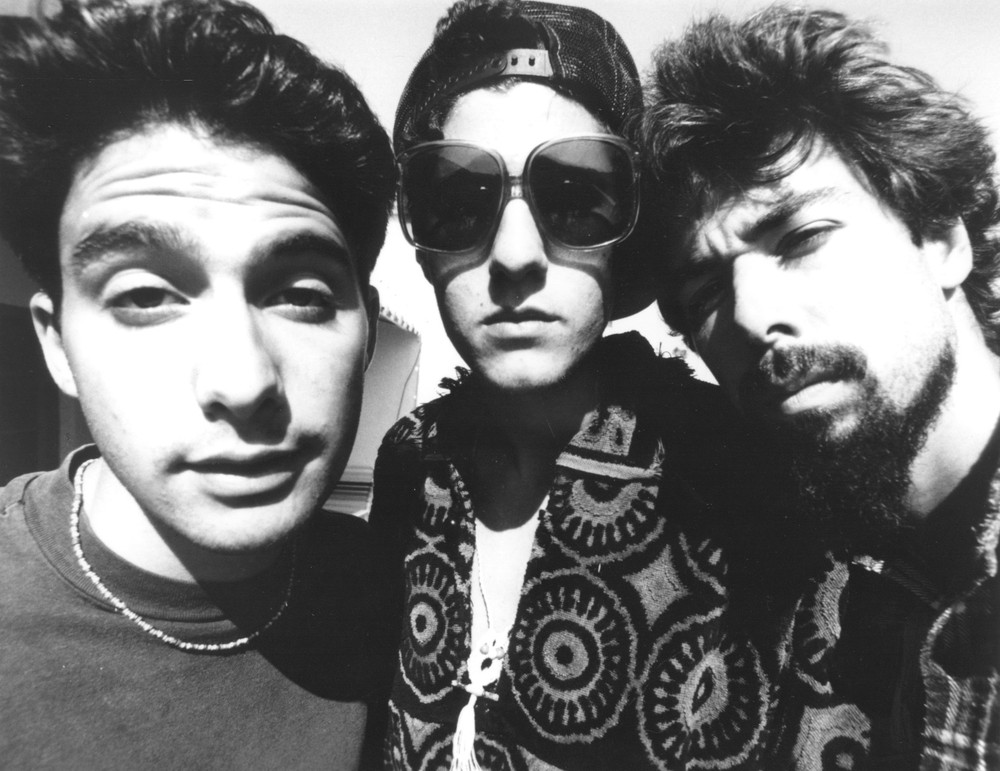
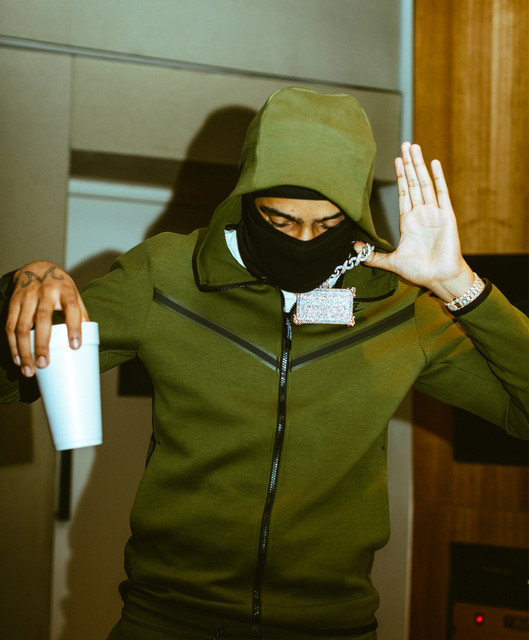
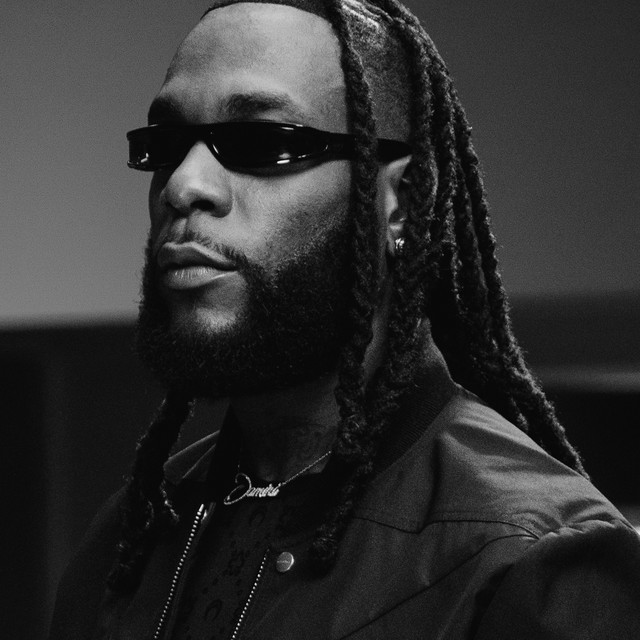




About Rap
In the Bronx in the early 1970s, rap grew from the microphone work of DJs and MCs at hip-hop parties. Those announcements became extended vocal performances, with performers shaping lines around a beat through rhyme, rhythm, cadence and tone. The form emerged within the wider hip-hop cultural movement, then moved into popular music later in the decade.
A rap performance sits between speech, poetry and song, but it doesn't depend on sustained melody in the way singing does. The voice works as percussion as much as language: syllables can be clipped, dragged behind the beat, packed tightly into a bar or delivered with a conversational looseness. A rapper's flow determines how words meet the rhythm, while delivery brings emphasis, texture and emotional force. Studio tracks usually place that voice over a producer's beat; live settings may use a DJ, turntablist or beatboxer. A cappella rap exists, though it is less common.
Its musical ancestry includes West African griot traditions, vocal approaches in blues and jazz, the African-American practice of playing the dozens, and 1960s African-American poetry. Those sources help explain rap's command of narration, verbal competition, character and social observation. Lyrics can be personal, comic, boastful, confrontational or politically direct, with subjects including racism, poverty and oppression.
Rap is often used interchangeably with hip-hop, since rapping is central to hip-hop music, but the terms aren't quite identical: hip-hop refers to the broader culture from which the music arose, while rap names the vocal practice and the music built around it. Related styles change the frame around that practice. Pop rap leans toward melodic hooks and accessible song structures; trap foregrounds a particular beat language; hardcore and underground rap tend toward tougher or less commercial presentations. Across those variations, the core remains the same: a voice making rhythm, argument and personality out of words.
Rap at a glance
Top Labels
Notable Contributors
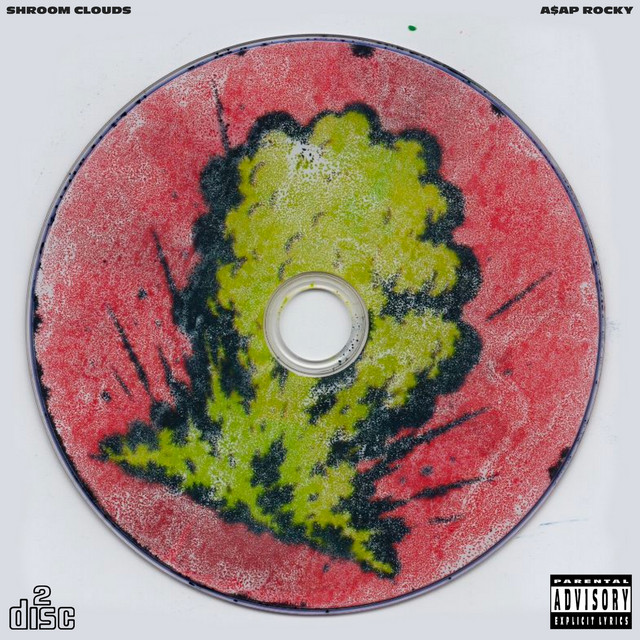
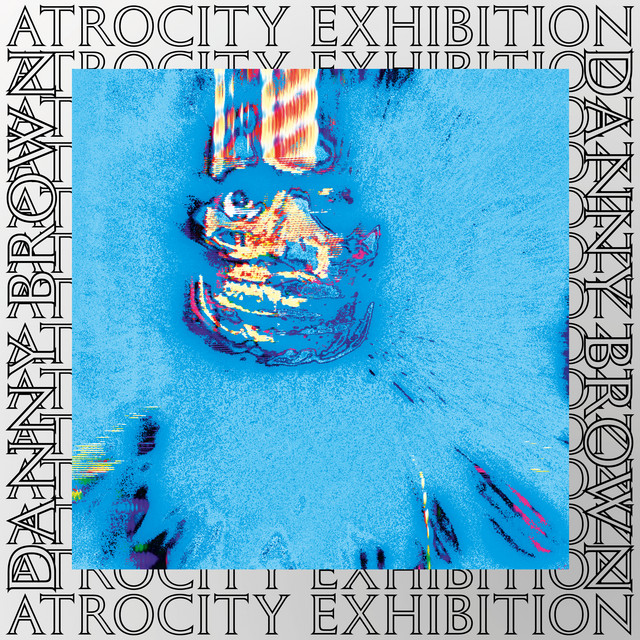
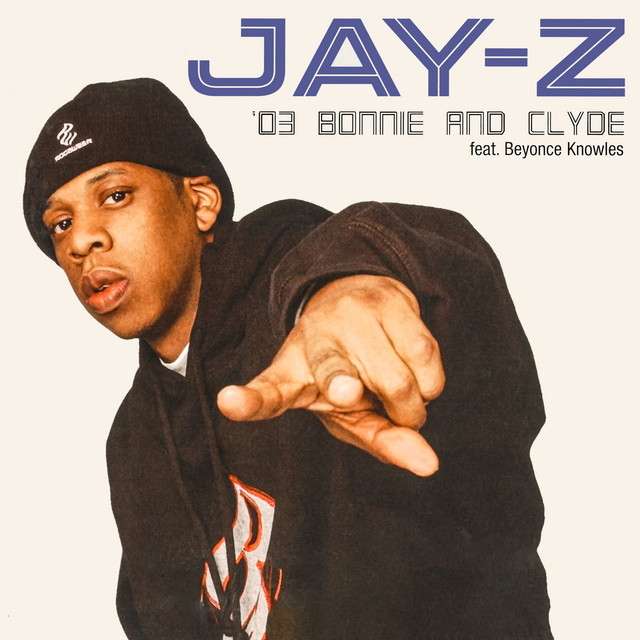
Recent Releases


Common questions
What is Rap?
Rap is a music genre defined by rhymed rhythmic vocal delivery, beat-driven production, sampling and programmed drums, flow, cadence, and wordplay, and DJ and turntable techniques. Rhymed verses ride drum-machine beats, with rappers shifting cadence, emphasis, and flow instead of carrying a sung melody.
What BPM is Rap?
Rap tracks typically run between 60 and 100 BPM.
Where did Rap come from?
Rap originated in Bronx, New York City, early 1970s.
What instruments are used in Rap?
Rap is built mainly from drum machine, sampler, turntables, synthesizer, and beatbox.
Which Rap artists are most popular?
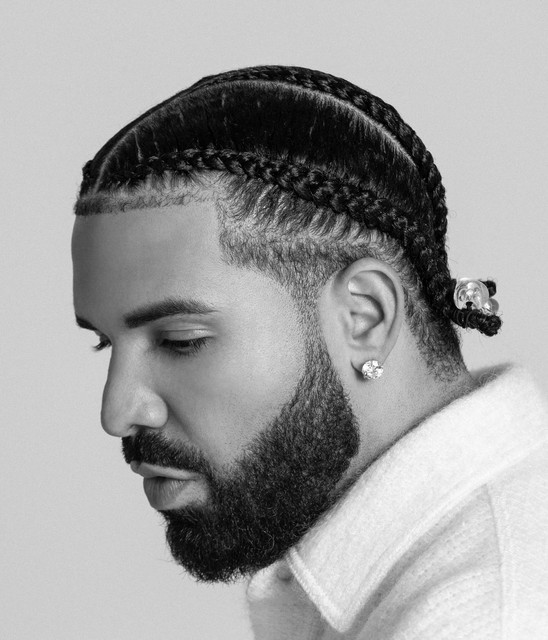
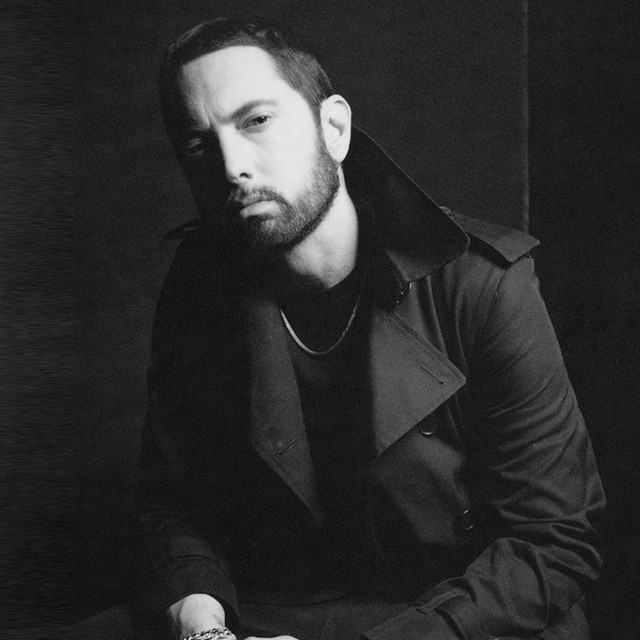
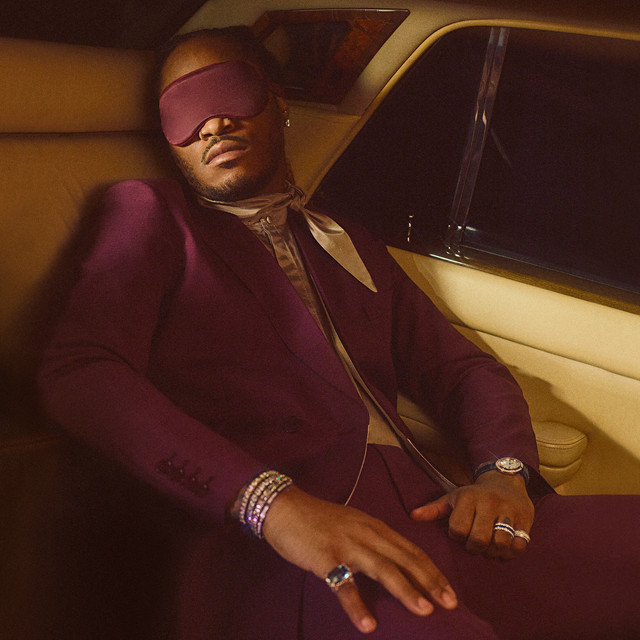
Drake, Kanye West, Eminem, Future, and Travis Scott are the highest ranked by Spotify popularity of the 69 Rap artists on this page.
Which labels release Rap?
Republic Records, RCA Records, Interscope Records, Columbia, and Capitol Records have put out the most Rap records in the Tracknack catalogue.
What genres are similar to Rap?
Artists tagged Rap are most often also tagged Hip Hop, Pop Rap, Trap, R&B, and Hardcore Hip Hop.
Stop missing releases.
Tracknack digs through album credits — producers, engineers, labels — so you don't have to. One Spotify or Apple Music playlist, always up to date.