How is this different from Release Radar?
Release Radar is great for passive discovery. Tracknack is for active tracking — it catches everything Release Radar skips.
Last reviewed: March 2026
Feature comparison
What sets Tracknack apart
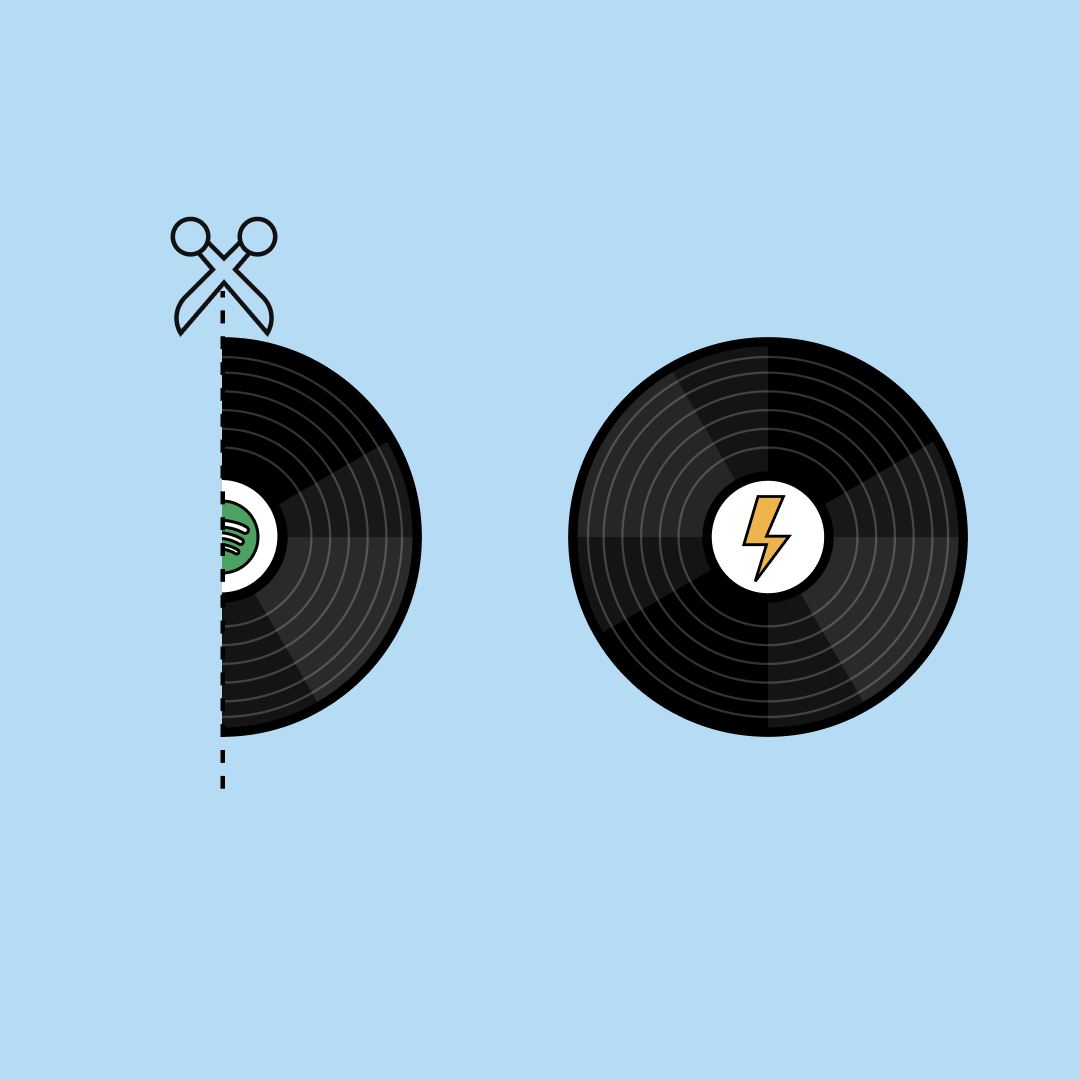
Every release, not just ~30 picks
With Tracknack you’ll always get all of the new music from artists and labels you follow as soon as they’re found by our system as opposed to a limited collection of tracks every week.
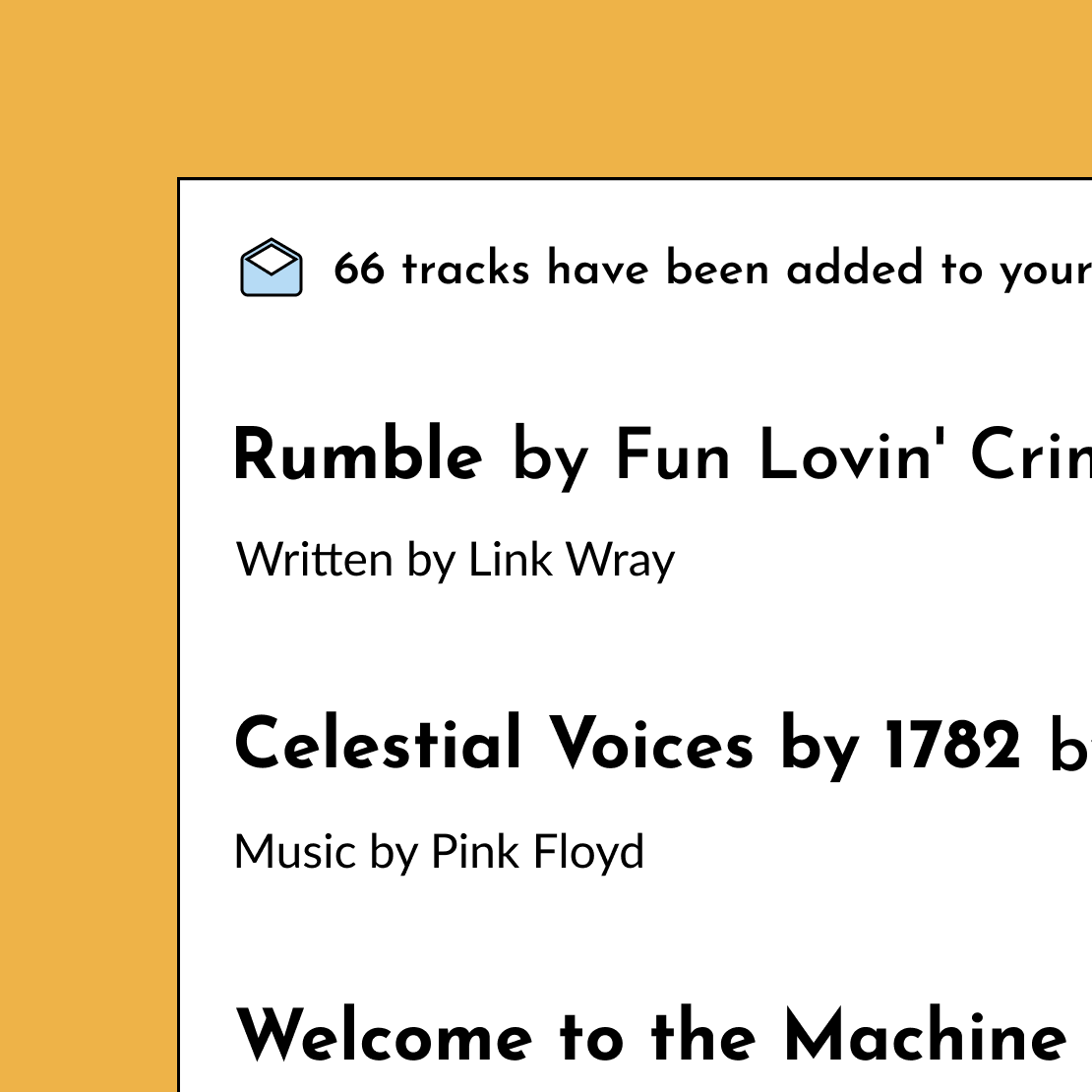
Get more control over music discovery
With Tracknack’s email notifications and features for exploring added tracks you know exactly when and why a track has been added. You can also determine your playlist update frequency to make it happen on a daily, weekly or monthly basis depending on your needs.
Follow record labels
If you enjoy following record labels that tend to put out music you like, with Tracknack you can get their latest releases automatically. Some labels have playlists of their full discography on Spotify but it’s difficult to find and keep track of them since you don’t get notified when they are updated.
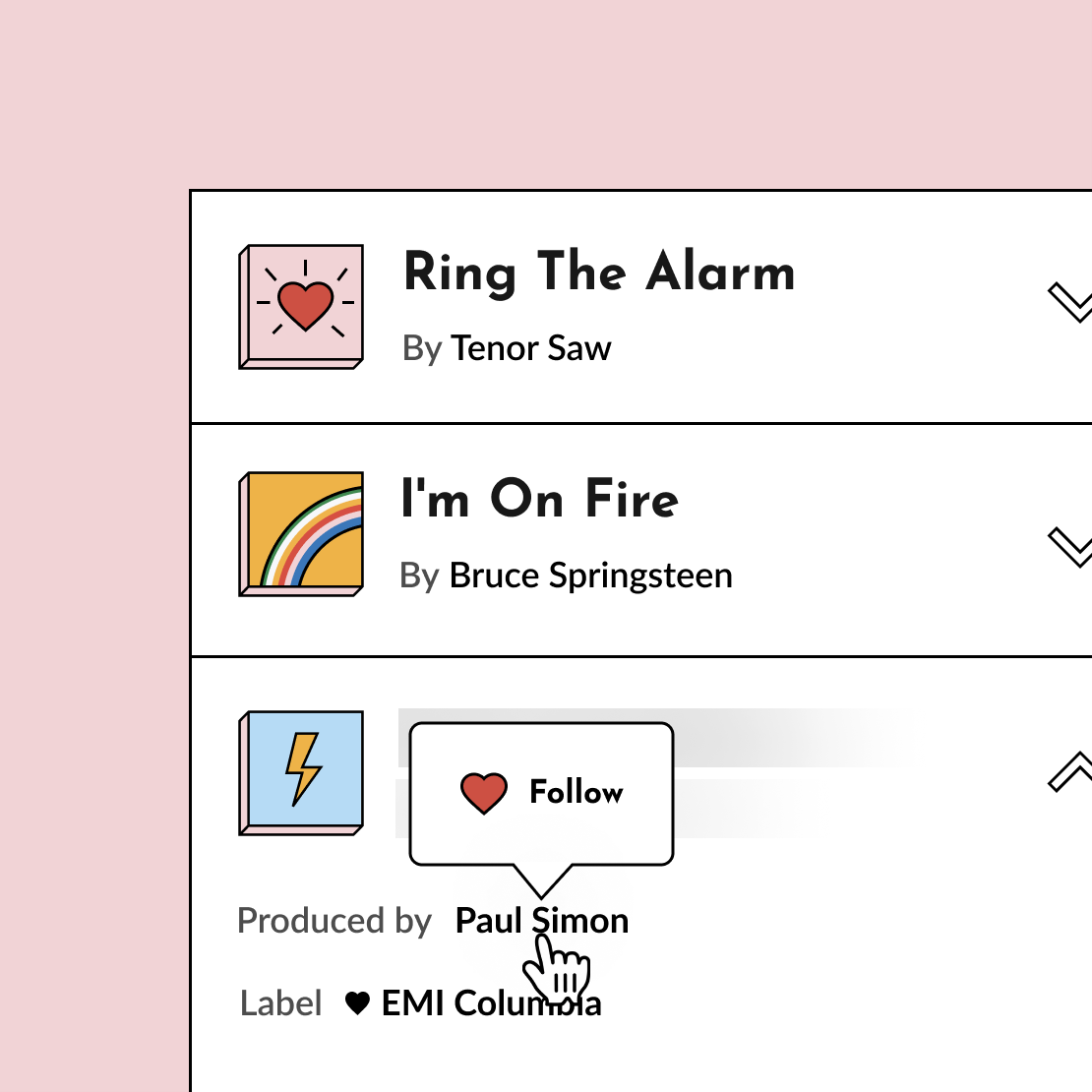
Follow artists featured in album credits
With additional data from Discogs, Tracknack is able to look into album and track credits to find music by producers, songwriters, composers or sound engineers that don’t even have a dedicated profile on Spotify - but that doesn’t mean the music they have worked on isn’t there!
No sponsored content
Spotify tend to promote big artists, which makes their playlists work as vehicles for targeted advertising to a certain extent.

Discover by musical connection
Tracknack takes a different approach to music discovery compared to Discover Weekly. On Tracknack you discover artists by their connections to artists or labels you like, while Discover Weekly looks for music that other listeners put together with music you like. Neither approach is better than the other, but they’re different!
When Release Radar is enough
If you're happy with Spotify's weekly picks and mostly listen to mainstream artists, Release Radar does a good job on its own. It's built into Spotify, requires zero setup, and surfaces new music you might not find otherwise. Where it falls short is completeness — it picks ~30 tracks from an algorithm, which means releases from smaller artists, producers, and labels slip through. Tracknack fills that gap.
Frequently asked questions
How is this different from Release Radar?
Release Radar is pretty great. That said, Tracknack always tries to add all of the new music it can find, instead of a fixed number of curated tracks, and does not feature sponsored tracks. Not to mention that with Tracknack you can follow record labels and credited artist, instead of just solo artists!
Why does Release Radar miss some releases?
Release Radar is limited to about 30 tracks per week and uses Spotify's algorithm to curate the selection. It can miss releases from artists you follow, especially if they're smaller or if the release is a collaboration. Tracknack doesn't cap or curate: it adds new releases from the artists and labels you follow, plus releases that credit the producers you follow.
Can I use Tracknack alongside Release Radar?
Absolutely! Many users run both. Release Radar is great for algorithmic discovery of new artists, while Tracknack makes sure you never miss a release from artists and labels you already follow.
How can I follow producers and songwriters and not just solo artists?
Tracknack allows you to follow anyone involved in creating music - from the perfomers to producers, songwriters, session musicians and mixing engineers. Just follow them as you would any other artist.
Is Tracknack free?
In the free version you can follow up to 30 artists or labels. There's also a 14-day free trial to give you time to try Tracknack's full functionality.
Learn more
Stop missing releases.
Tracknack digs through album credits — producers, engineers, labels — so you don't have to. One Spotify or Apple Music playlist, always up to date.
Have an idea or feedback?
If you have any comments about Tracknack or would like Tracknack to have a specific feature, drop me an email!