Jazz Artists
Improvised horn and piano lines weave through syncopated rhythms, rich chords, and a swinging or shifting groove.
51 Jazz artists · 117 releases in the last 6 months · Top labels: Decca (UMO), Warner Records, Phazz-a-delic New Format Recordings
Related Genres
Artists



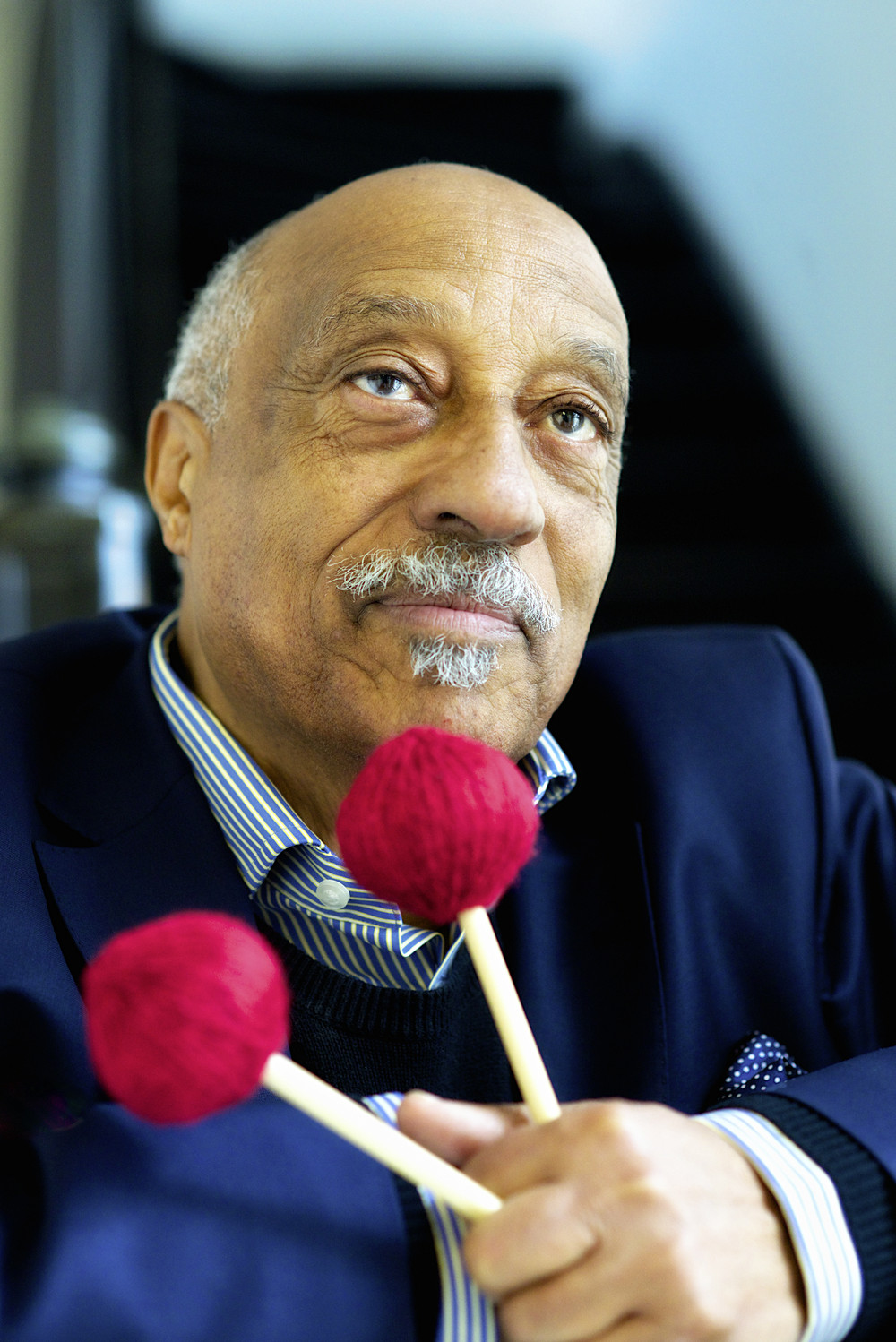

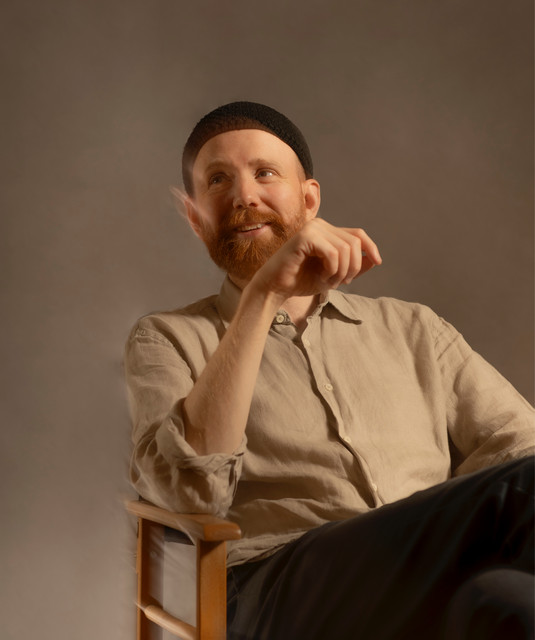
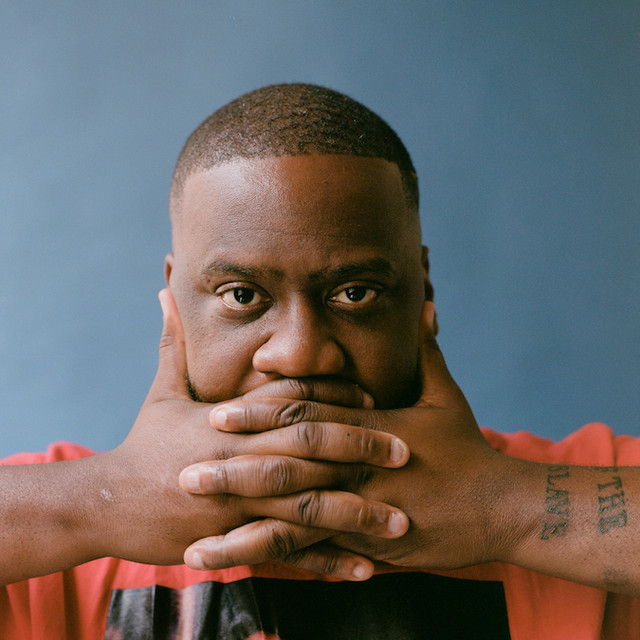
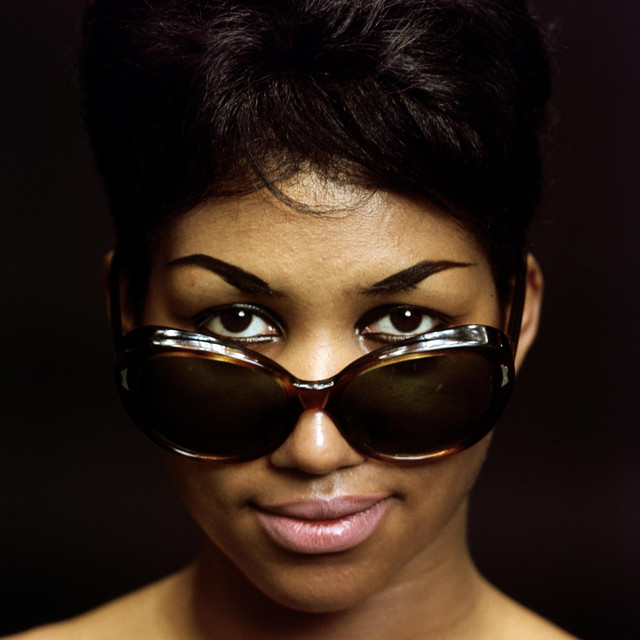


















About Jazz
In early-1910s New Orleans, jazz brought brass-band marches, ragtime and blues into ensemble music that could support dancing while leaving room for collective improvisation. A performance may move between a stated melody and spontaneous variations, with musicians answering one another rather than following every note as fixed. Swing rhythms give much of the music its forward pull, while blue notes, syncopation and layered rhythms loosen the feel around the beat. Horns, piano, bass and drums are common settings, but the defining feature is the interaction between players.
Jazz grew from African-American communities in New Orleans during the late 19th and early 20th centuries. Its materials came from several musical practices: blues and ragtime, spirituals and hymns, marches, vaudeville songs, European harmonic systems, African rhythmic traditions, and dance music. That combination made harmony more than background decoration. Chords can be dense and quickly changing, giving soloists a framework for melodic invention; call-and-response patterns can connect voices, horns and rhythm section in the same conversation.
The music's many branches can sound strikingly different without losing that emphasis on rhythm, harmony and improvisation. Swing-era big bands used arranged parts for dance-oriented ensembles, while Kansas City jazz leaned into blues feeling and extended solos. Bebop in the 1940s accelerated the tempo and made chord-driven improvisation more demanding, whereas cool jazz favored smoother textures and long, linear melodies. Hard bop brought rhythm and blues, gospel and blues into compact groups, especially around saxophone and piano. Modal jazz reduced harmonic movement by building improvisation from scales, and free jazz could dispense with regular meter or fixed form altogether. Jazz fusion later joined improvisation to rock rhythms, electric instruments and amplified sound, creating a clear bridge toward electronic, soul and R&B-adjacent approaches without turning jazz into any one of them.
Jazz at a glance
Top Labels
Notable Contributors
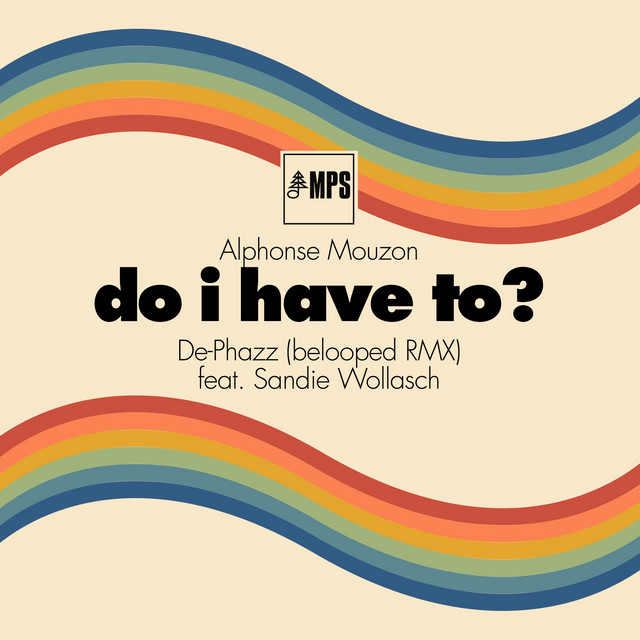
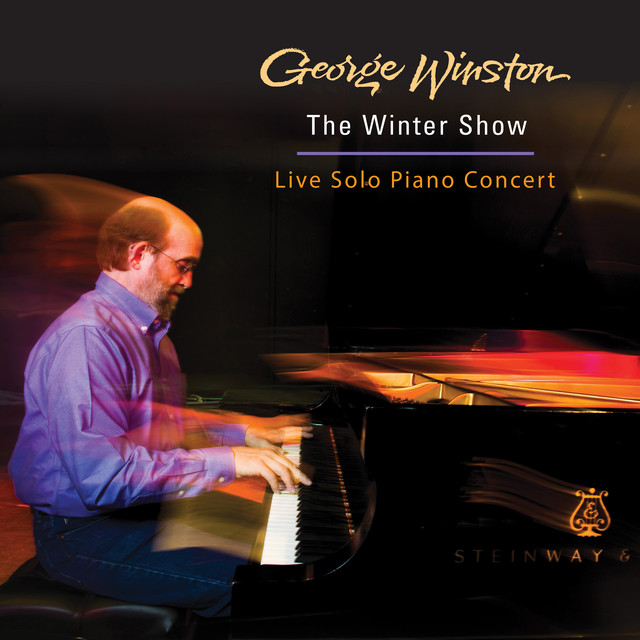
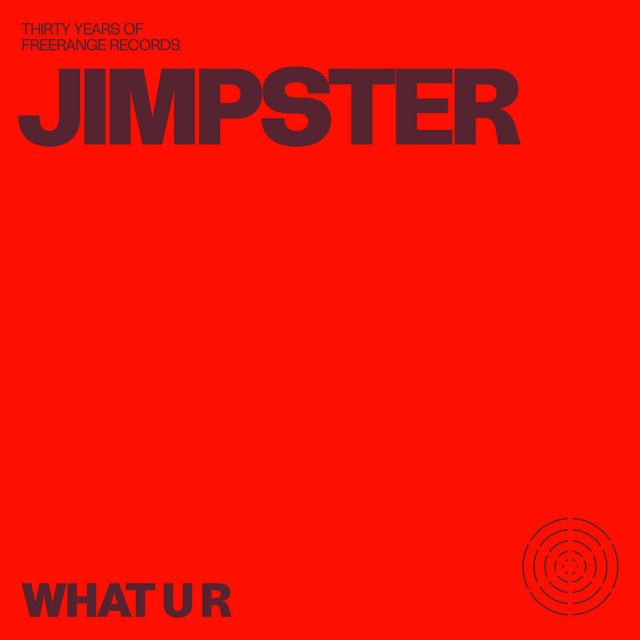
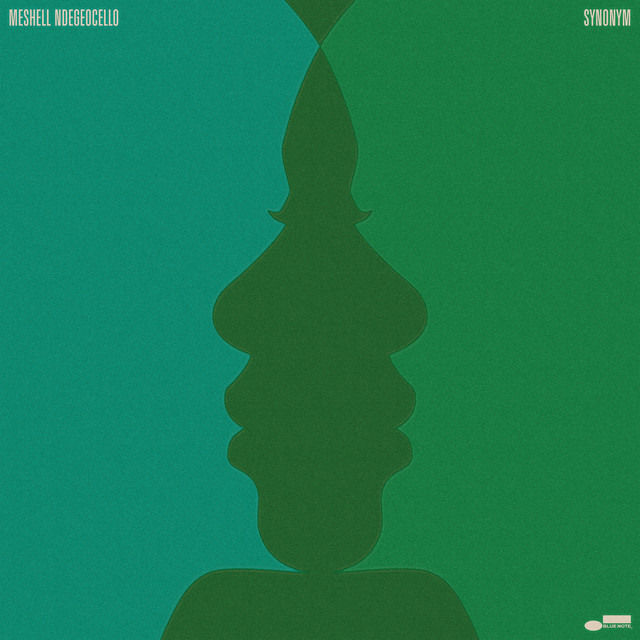
Recent Releases
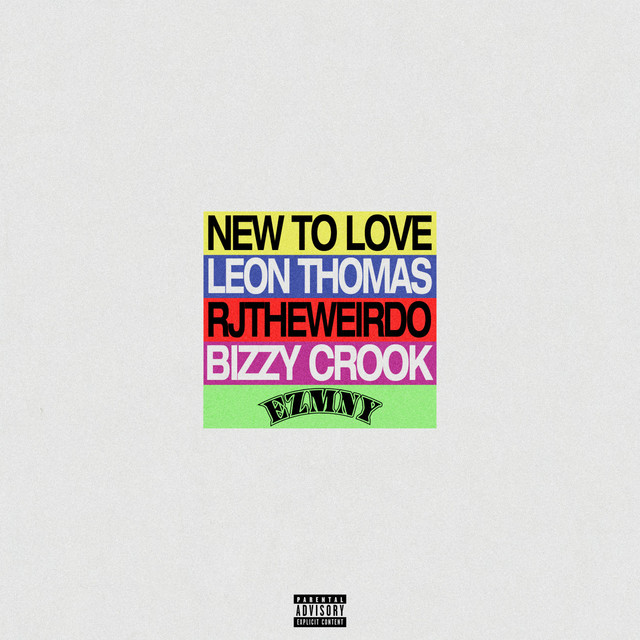
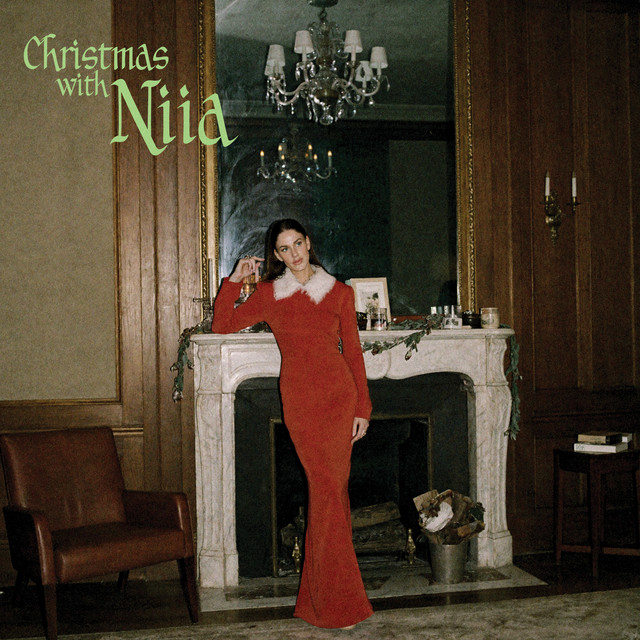
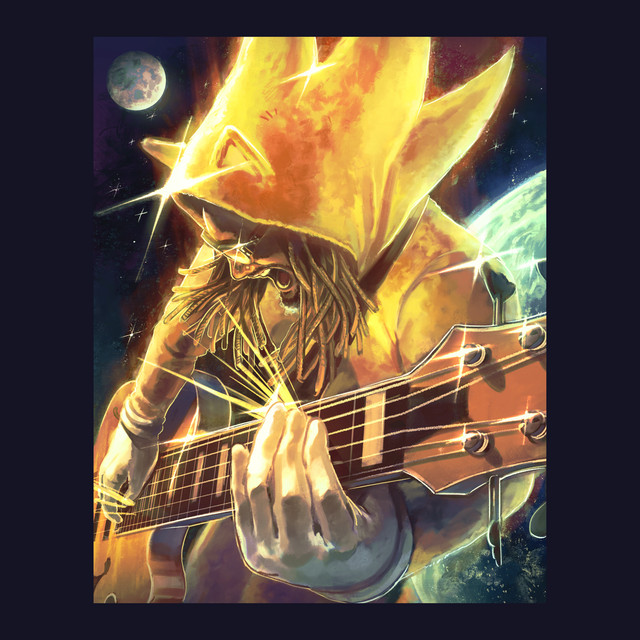
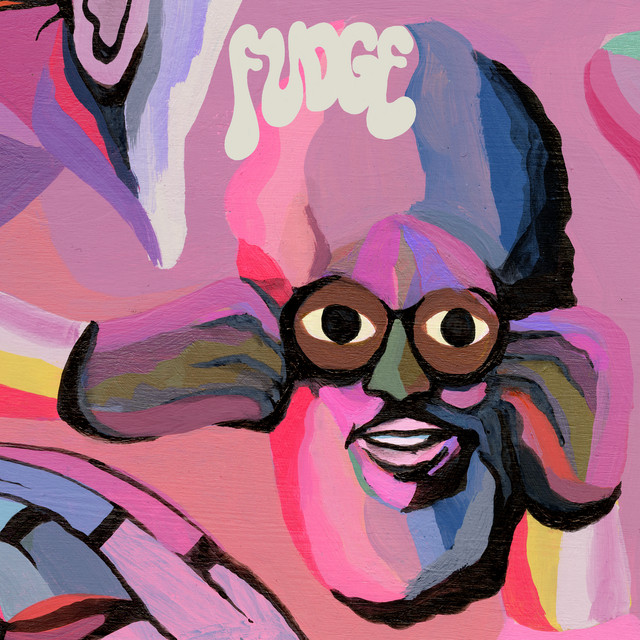

Common questions
What is Jazz?
Jazz is a music genre defined by improvised solos, swing rhythms and syncopation, blue notes and complex harmony, call-and-response phrasing, and polyrhythmic interplay. Improvised horn and piano lines weave through syncopated rhythms, rich chords, and a swinging or shifting groove.
Where did Jazz come from?
Jazz originated in New Orleans, Louisiana, late 19th and early 20th centuries.
What instruments are used in Jazz?
Jazz is built mainly from saxophone, trumpet, piano, double bass, drum kit, and guitar.
Which Jazz artists are most popular?
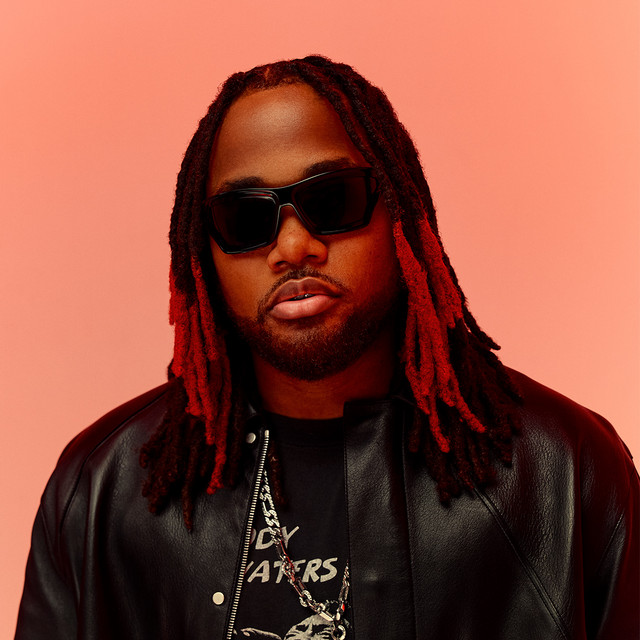
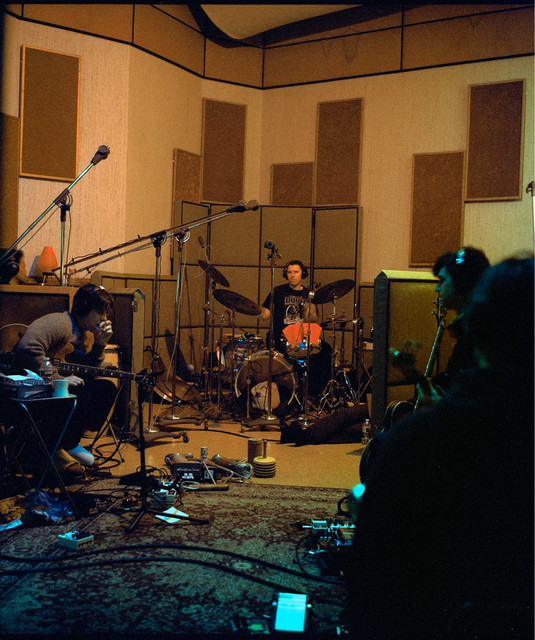
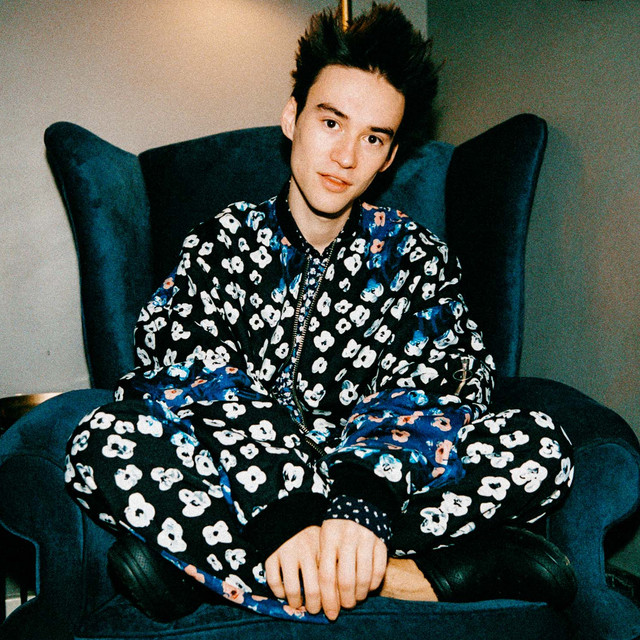
Leon Thomas, BADBADNOTGOOD, Sade, Jacob Collier, and Michael Bublé are the highest ranked by Spotify popularity of the 51 Jazz artists on this page.
Which labels release Jazz?
Decca (UMO), Warner Records, Phazz-a-delic New Format Recordings, ChinChin Records, and Partisan Records have put out the most Jazz records in the Tracknack catalogue.
What genres are similar to Jazz?
Artists tagged Jazz are most often also tagged Soul, Electronic, Pop, R&B, and House.
Stop missing releases.
Tracknack digs through album credits — producers, engineers, labels — so you don't have to. One Spotify or Apple Music playlist, always up to date.