Progressive Rock Artists
Extended songs shift through odd meters, intricate instrumental passages, and dramatic keyboard-led sections instead of sticking to verse-chorus repetition.
19 Progressive Rock artists · 43 releases in the last 6 months · Top labels: Warner Records, Pelagic Records, KGLW (King Gizzard & the Lizard Wizard)
Related Genres
Artists
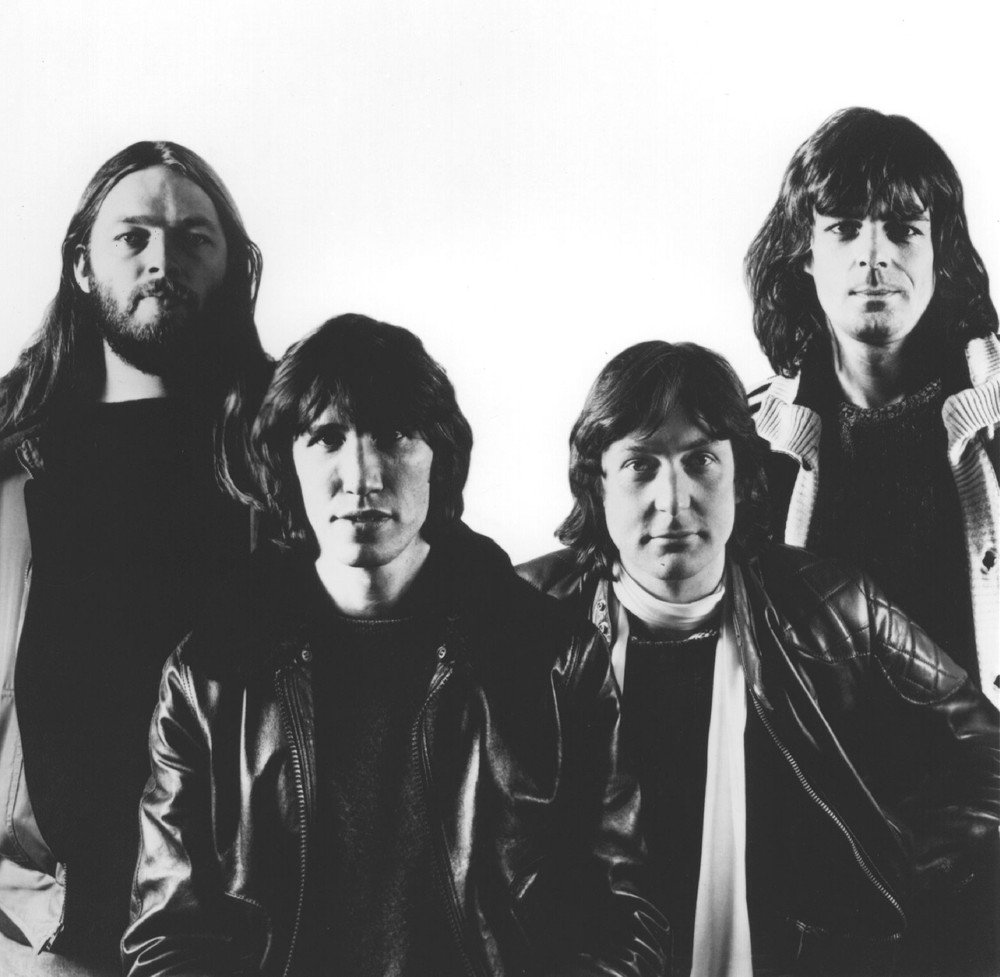
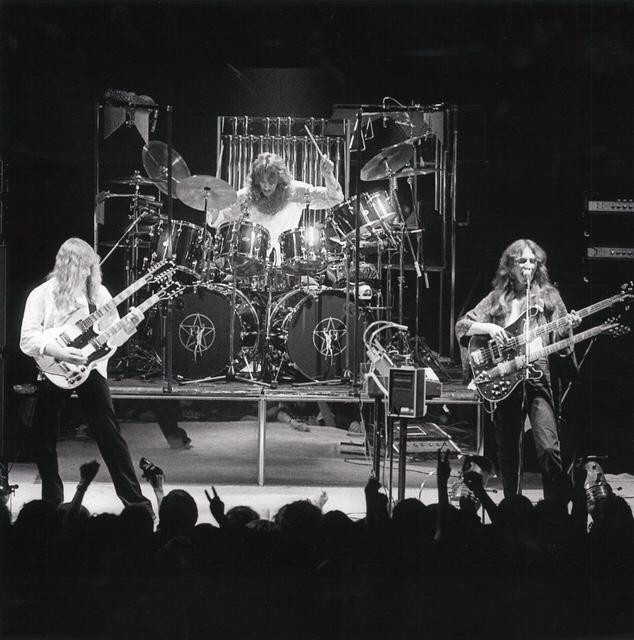
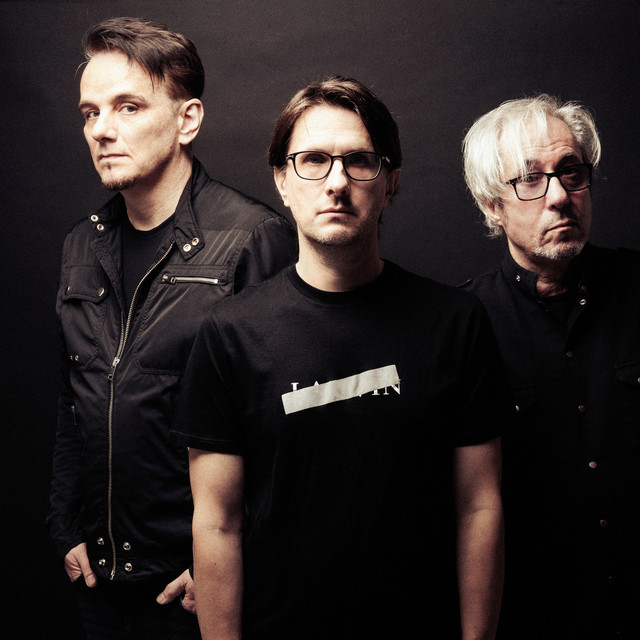


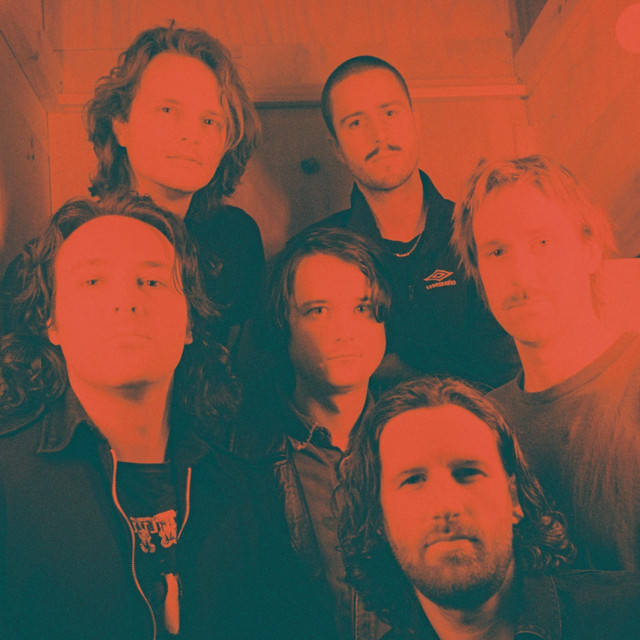
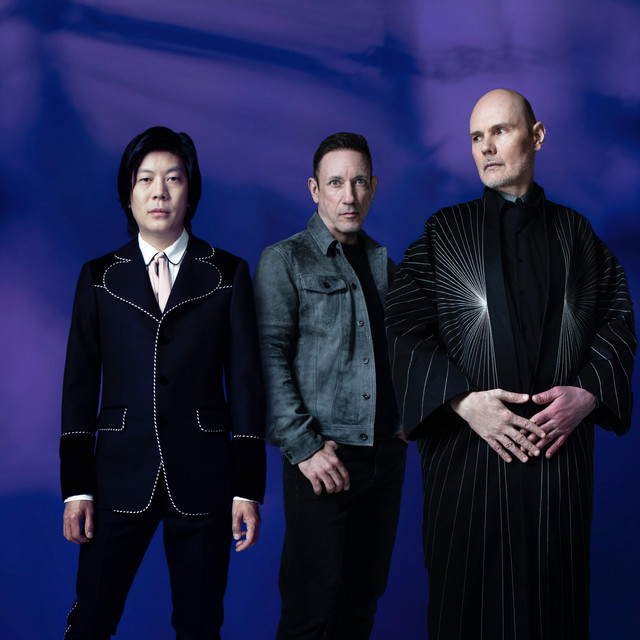

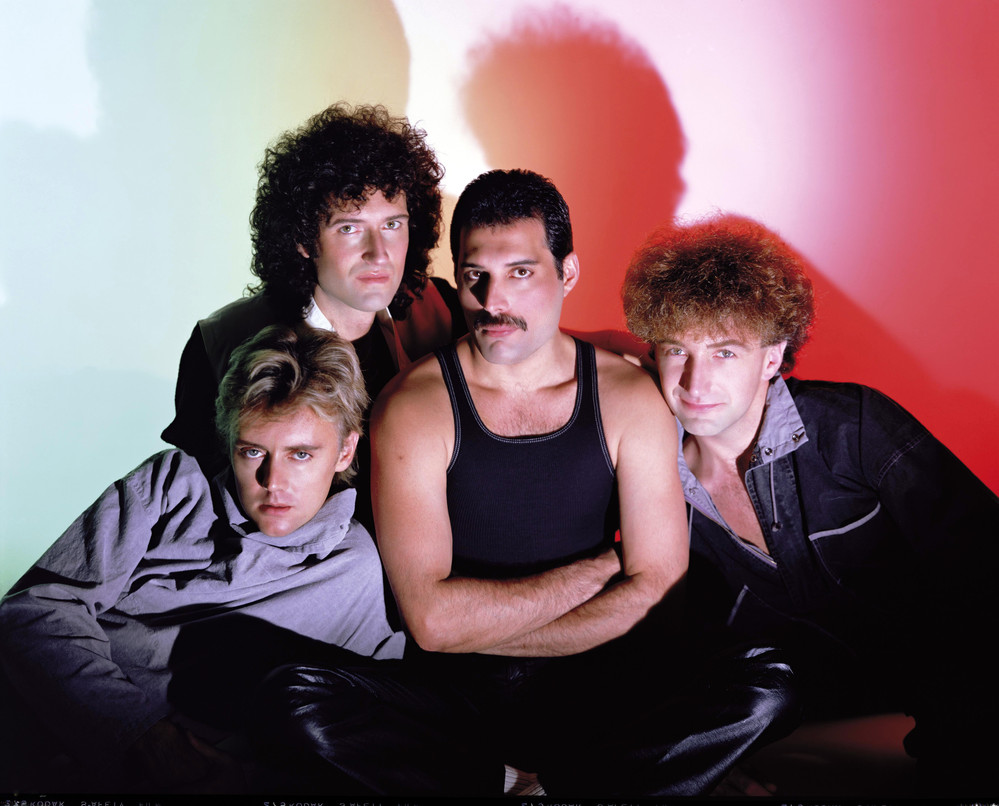



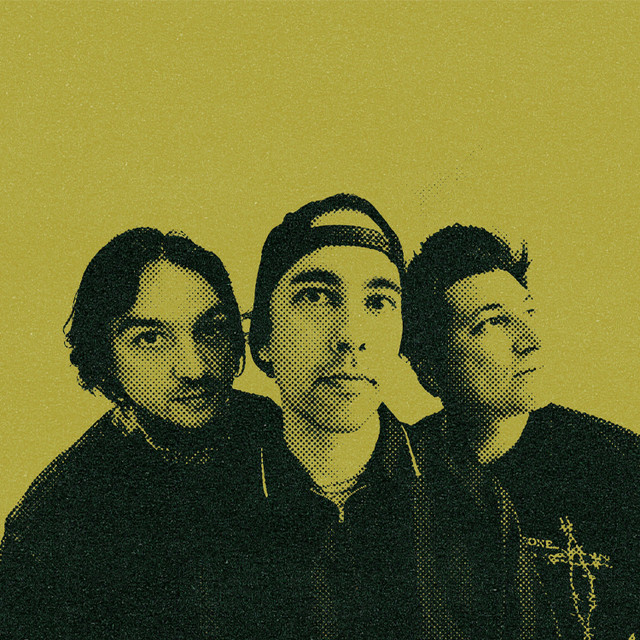

About Progressive Rock
In the United States and United Kingdom of the mid-to-late 1960s, progressive rock took psychedelic bands beyond standard pop-song forms, keeping electric rock instrumentation while drawing compositional ideas from jazz, folk and classical music. The result often favors extended pieces, changing sections and instrumental passages over a quick verse-chorus return. It’s rock music made for close listening as much as immediate physical impact.
Guitars, bass, drums and keyboards remain central, but the arrangements can be unusually expansive. Long solos, intricate chord movement and elaborate ensemble playing sit alongside poetic or fantastical lyrics. Technology became part of the musical language too, with studios used to shape new sounds and detailed compositions rather than simply document a live performance. Classical references appear in some prog, though they aren't a requirement: many records borrow its sense of scale and structure without directly adapting Western classical themes.
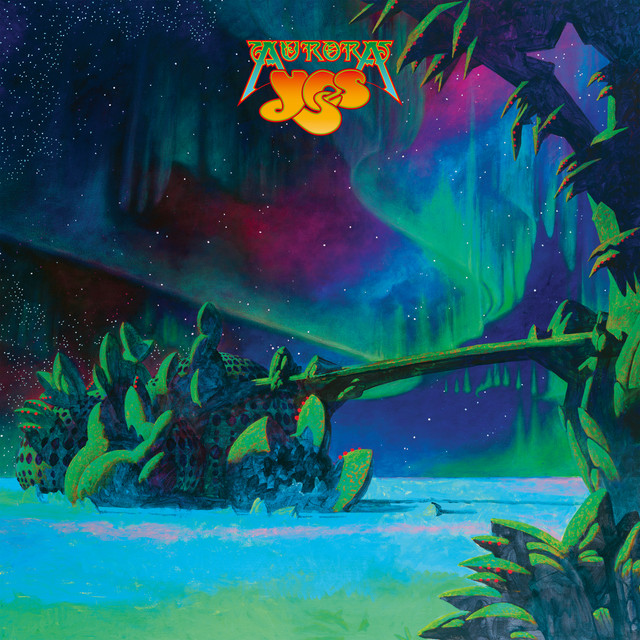
Pink Floyd and Yes were among the groups that brought this approach to a wide audience in the early 1970s. Their music illustrates two sides of prog’s broad range, from carefully constructed, studio-centered sound worlds to technically demanding group interplay. Compared with more direct classic or hard rock, progressive rock is less tied to compact songs and familiar repetition. Its connection to art rock lies in its ambition and attention to composition, while its psychedelic roots remain audible in its exploratory textures and willingness to let a track take its time. Later strands included the wind-led, improvisatory Canterbury style, the more avant-garde Rock in Opposition, neo-prog, and post-progressive music shaped by later popular and experimental forms.
Progressive Rock at a glance
Top Labels
Notable Contributors
Recent Releases
![I Feel Like A Bullet (In The Gun Of Robert Ford) [Piano / Vocal Version] artwork](https://i.scdn.co/image/ab67616d0000b273314c40cb512b8dd0bcf5d8ff)

![Zombie (Live from the Riviera Theatre) [feat. Billy Corgan] artwork](https://i.scdn.co/image/ab67616d0000b2733346883affd333409fe59950)

Common questions
What is Progressive Rock?
Progressive Rock is a music genre defined by extended compositions, complex time signatures, instrumental virtuosity, multi-part arrangements, and conceptual lyrics and albums. Extended songs shift through odd meters, intricate instrumental passages, and dramatic keyboard-led sections instead of sticking to verse-chorus repetition.
Where did Progressive Rock come from?
Progressive Rock originated in United States and United Kingdom, mid- to late 1960s.
What instruments are used in Progressive Rock?
Progressive Rock is built mainly from electric guitar, bass guitar, drum kit, keyboard synthesizer, Mellotron, and organ.
Which Progressive Rock artists are most popular?
Pink Floyd, Rush, Yes, Porcupine Tree, and Kansas are the highest ranked by Spotify popularity of the 19 Progressive Rock artists on this page.
Which labels release Progressive Rock?
Warner Records, Pelagic Records, KGLW (King Gizzard & the Lizard Wizard), UME - Global Clearing House, and Rhino Atlantic have put out the most Progressive Rock records in the Tracknack catalogue.
What genres are similar to Progressive Rock?
Artists tagged Progressive Rock are most often also tagged Rock, Classic Rock, Psychedelic Rock, Art Rock, and Hard Rock.
Stop missing releases.
Tracknack digs through album credits — producers, engineers, labels — so you don't have to. One Spotify or Apple Music playlist, always up to date.