Metal Artists
Distorted guitar riffs drive over pounding drums, with forceful vocals and frequent shredding solos.
40 Metal artists · 55 releases in the last 6 months · Top labels: Warner Records, Napalm Records Handels GmbH, BMG Rights Management (UK)
Related Genres
Artists
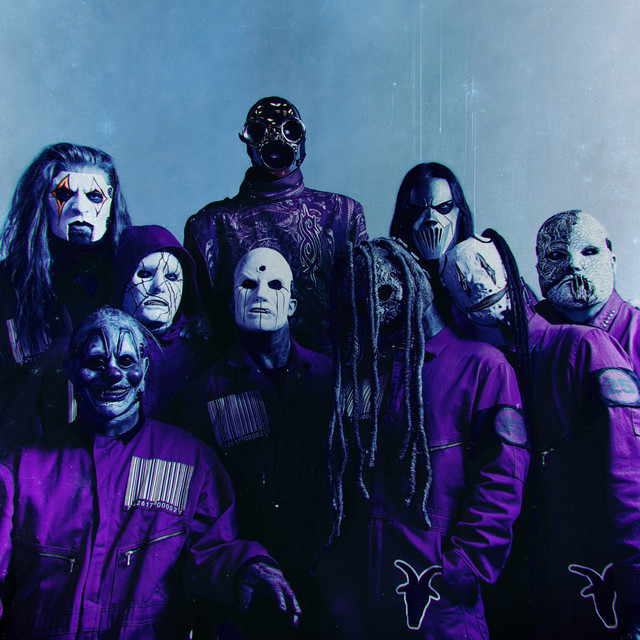
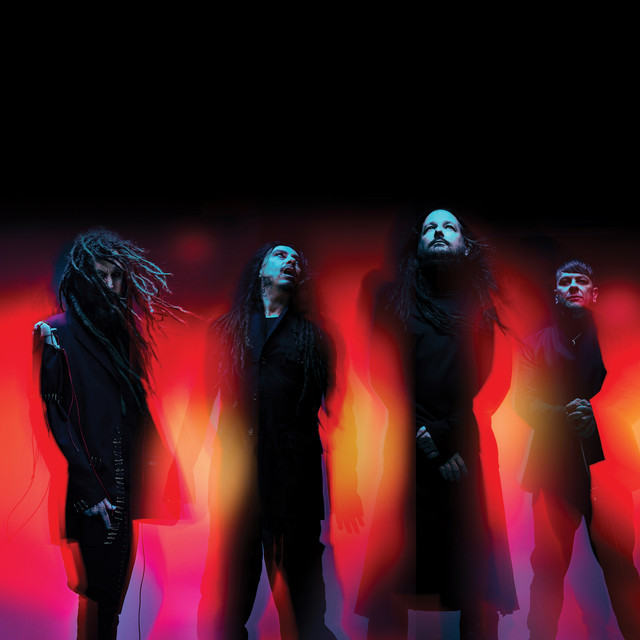

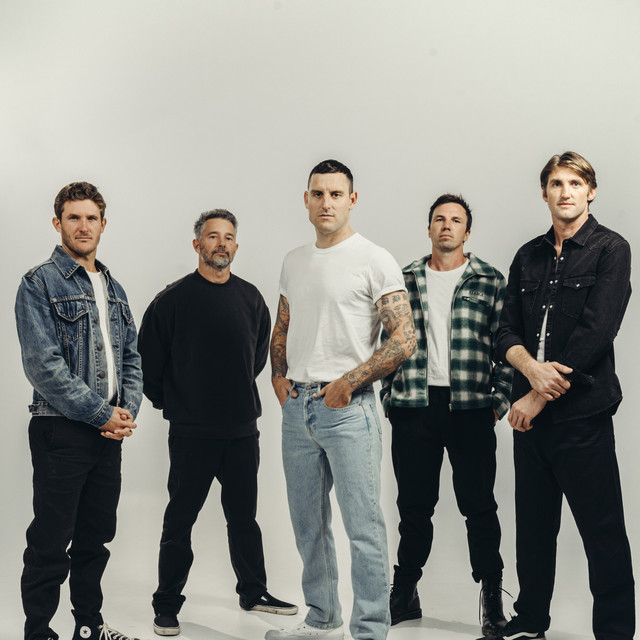


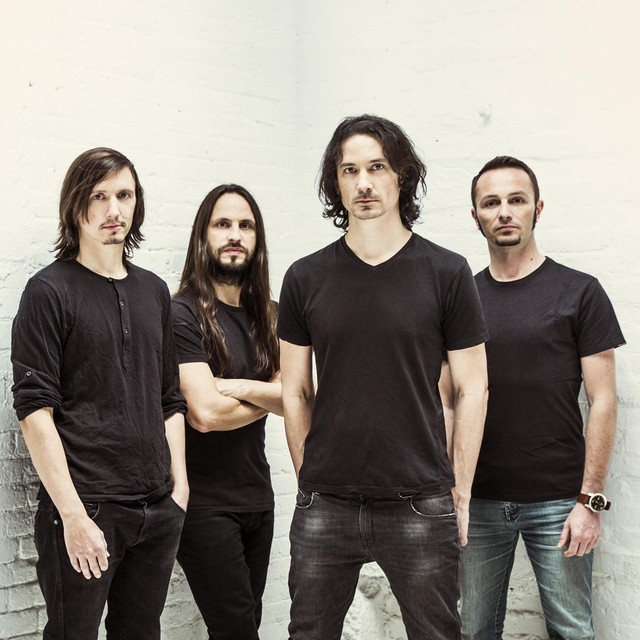

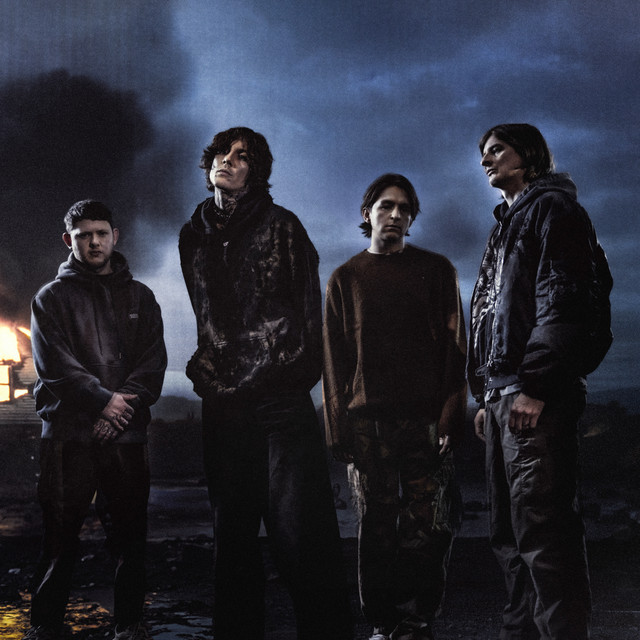

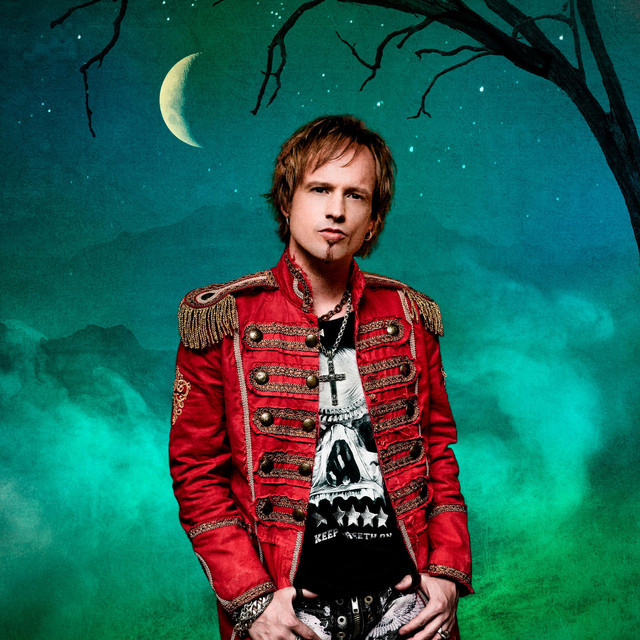











About Metal
By the mid-1970s, Judas Priest had removed much of metal’s blues influence, sharpening a form that had grown from blues rock, psychedelic rock and acid rock in the United Kingdom and United States. The music retained rock’s guitar-based framework but made distortion, volume and weight central rather than incidental. Heavy guitar riffs carry the songs, drums land with force, and extended lead-guitar passages can take a prominent role.
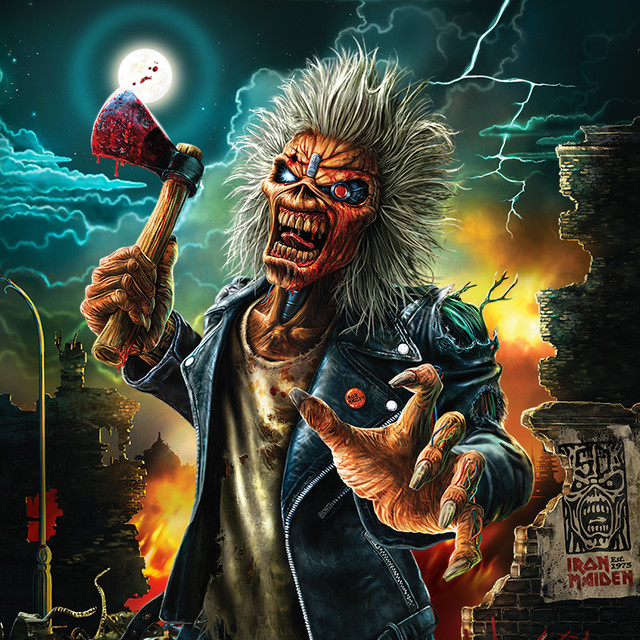
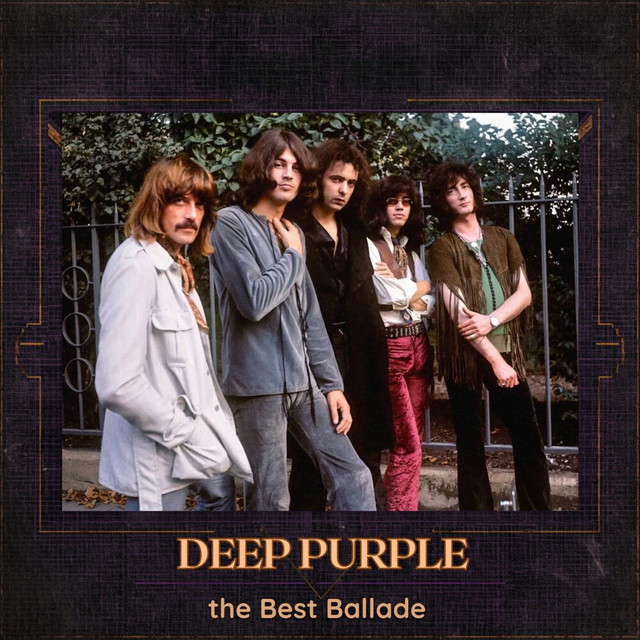
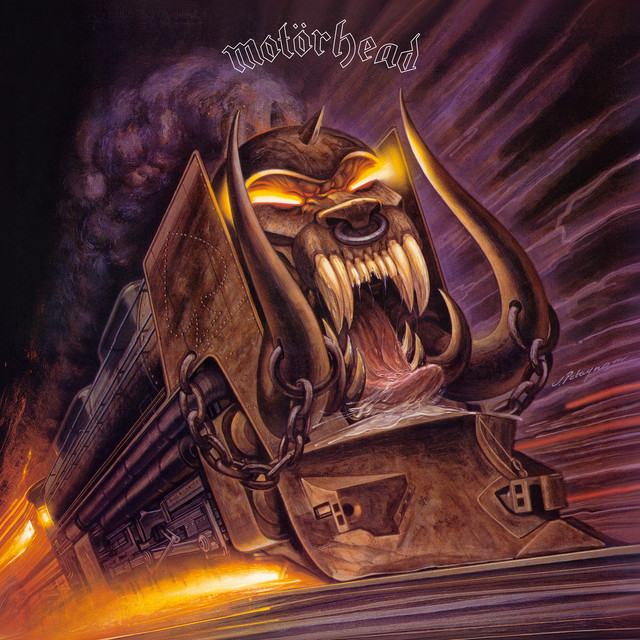
Black Sabbath was among the British bands formed in 1968 that helped establish this heavier approach, alongside Led Zeppelin and Deep Purple. Early metal’s dense sound separated it from the looser feel of its blues-derived predecessors: riffs became more imposing, amplification more aggressive, and the beat more emphatic. The style could still accommodate blues-rooted playing, as Aerosmith did in the 1970s, but metal increasingly favoured a harder, more amplified attack. Motörhead added a punk-informed sense of speed, while Iron Maiden emerged from the late-1970s new wave of British heavy metal with similarly accelerated momentum.
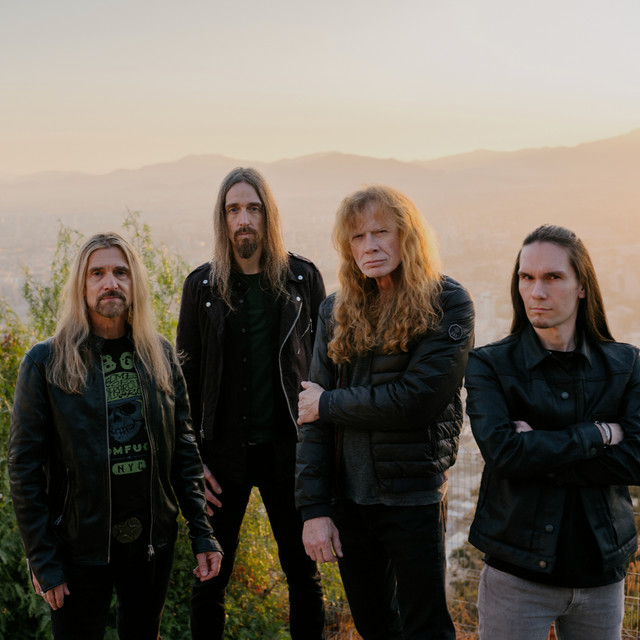
Metal is now both a specific traditional style and a broad umbrella covering many heavier offshoots. In its narrower sense, it points to the established vocabulary of distorted guitars, forceful drumming, solos and loudness. In the broader sense, it includes forms that alter the tempo, guitar tone or outside influences. Thrash metal, associated with Metallica and Megadeth, brought a more aggressive strain into wider circulation during the 1980s. Glam metal placed flashy guitar leads within a more accessible party-rock frame, while death metal and black metal developed as more extreme subgenres. Since the mid-1990s, groove metal and nu metal have further widened the field; nu metal can draw on grunge and hip-hop as well as heavy guitar music. That range is why metal can refer either to classic heavy metal or to a large family of related sounds.
Metal at a glance
Top Labels
Notable Contributors
Recent Releases


Common questions
What is Metal?
Metal is a music genre defined by distorted electric guitars, extended guitar solos, emphatic drum beats, loud amplified production, and powerful vocal styles. Distorted guitar riffs drive over pounding drums, with forceful vocals and frequent shredding solos.
Where did Metal come from?
Metal originated in United Kingdom and United States, late 1960s and early 1970s.
What instruments are used in Metal?
Metal is built mainly from electric guitar, electric bass, drum kit, and vocals.
Which Metal artists are most popular?
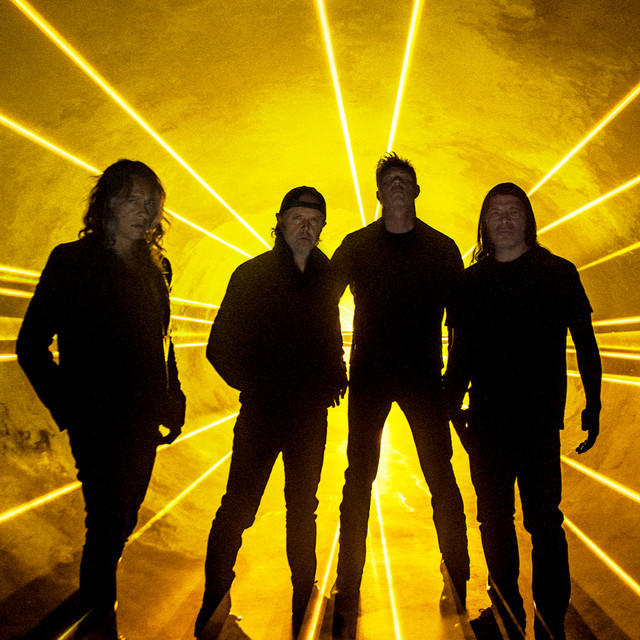
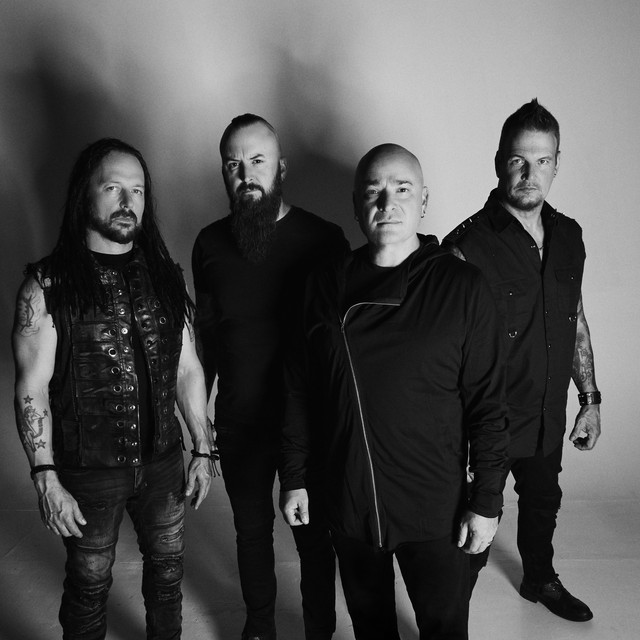
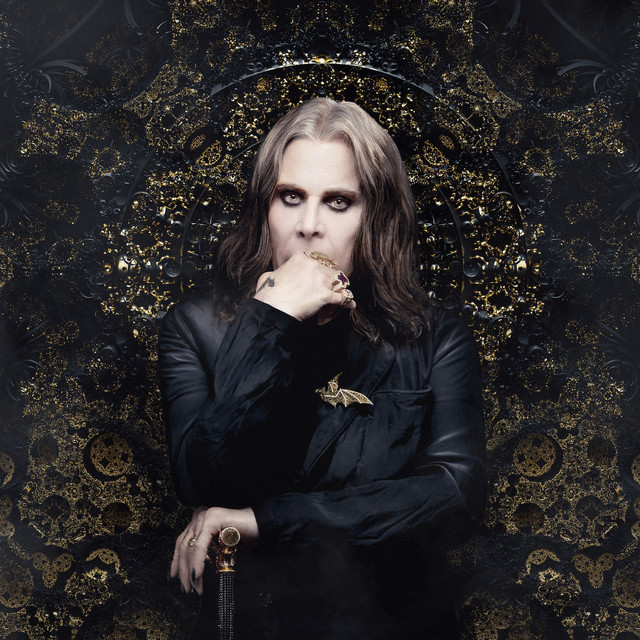
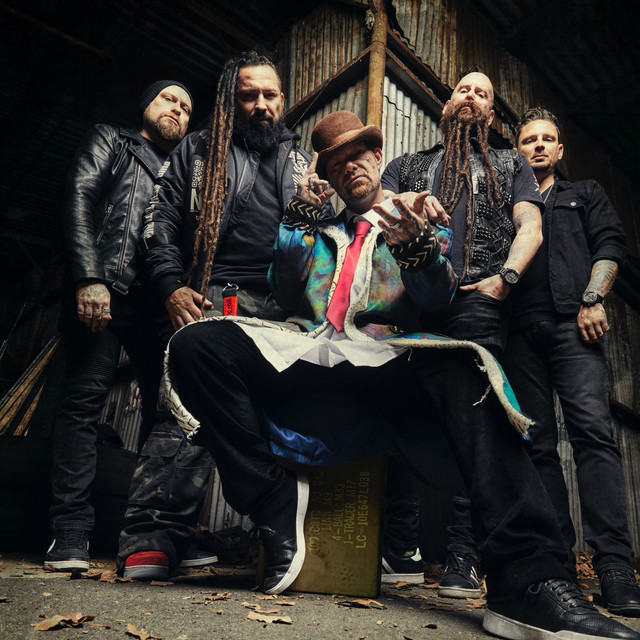
Metallica, Disturbed, Ozzy Osbourne, Five Finger Death Punch, and Slipknot are the highest ranked by Spotify popularity of the 40 Metal artists on this page.
Which labels release Metal?
Warner Records, Napalm Records Handels GmbH, BMG Rights Management (UK), Sumerian Records, and Nuclear Blast have put out the most Metal records in the Tracknack catalogue.
What genres are similar to Metal?
Artists tagged Metal are most often also tagged Rock, Heavy Metal, Alternative Metal, Hard Rock, and Nu Metal.
Stop missing releases.
Tracknack digs through album credits — producers, engineers, labels — so you don't have to. One Spotify or Apple Music playlist, always up to date.