Heavy Metal Artists
Distorted guitar riffs drive fast, hard-hitting songs with pounding drums, forceful vocals, and soaring solo breaks.
28 Heavy Metal artists · 35 releases in the last 6 months · Top labels: Napalm Records Handels GmbH, BMG Rights Management (UK), UMe Direct 2
Related Genres
Artists
















About Heavy Metal
In late-1960s Britain and the United States, heavy metal grew out of blues rock, psychedelic rock and acid rock, turning amplified rock into something denser, louder and more physically forceful. Distorted electric guitars carry the weight, often moving between heavy riff patterns and extended lead passages, while emphatic drumming and bass give the music its hard, monumental pulse.
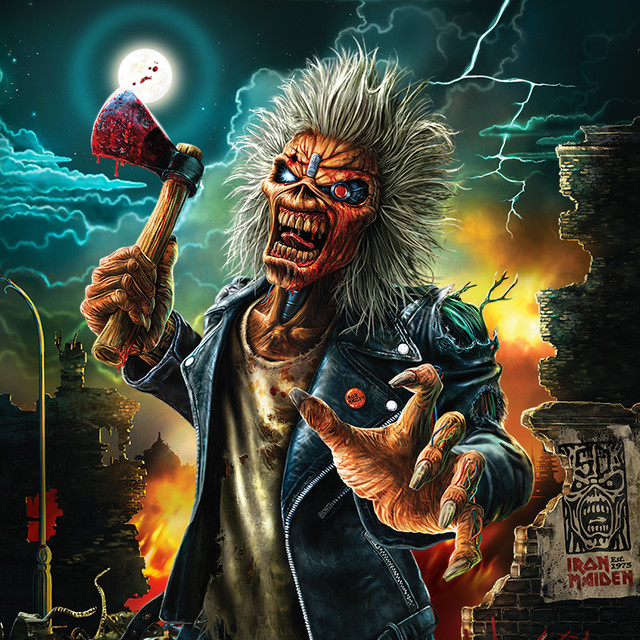
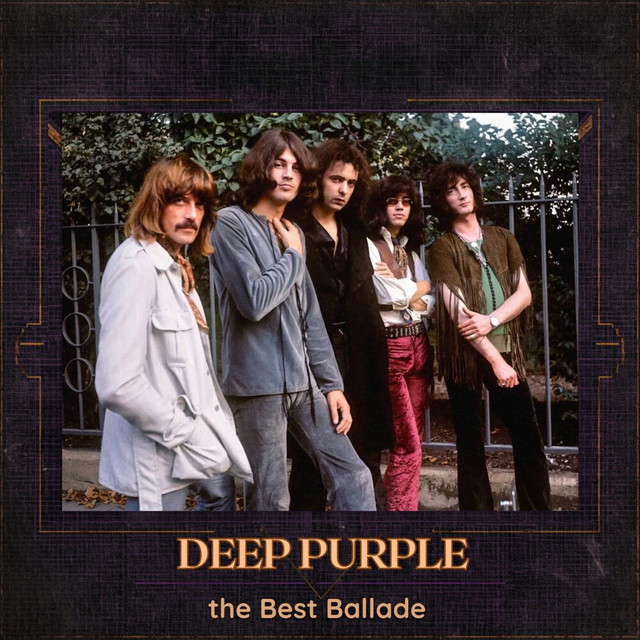
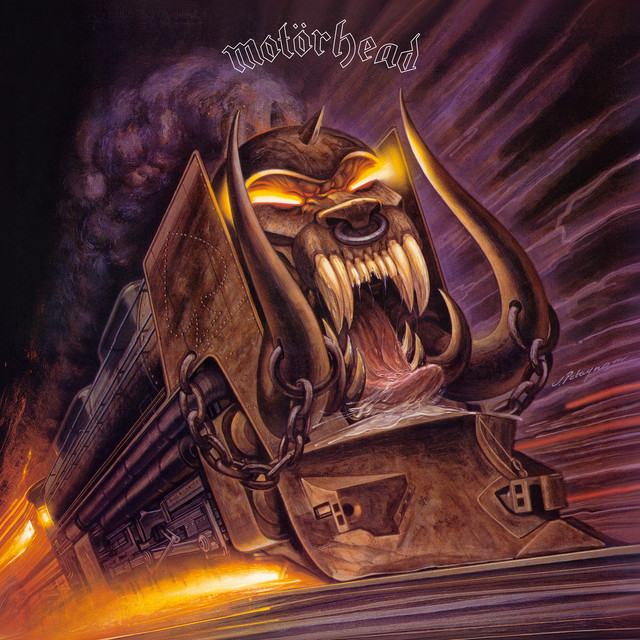
Early British groups including Black Sabbath, Led Zeppelin and Deep Purple helped establish the form, but metal didn't stay fixed to its blues-based beginnings. Judas Priest reduced that older blues element and sharpened the attack, while Motörhead brought punk's speed and abrasion into the mix. By the late 1970s, the new wave of British heavy metal, including Iron Maiden, gave the style a renewed sense of velocity and precision.
Heavy metal can mean two related things. In its narrower sense, it refers to traditional metal: riff-led songs, prominent guitar solos, forceful beats and a full-band sound built for volume. Used more broadly, metal is an umbrella for branches that developed from those foundations. Thrash metal accelerated the riffs and intensified the aggression; glam metal paired hard-rock guitar flash with a more accessible party-rock approach; groove metal focused on weight and rhythmic lock; nu metal brought in elements associated with grunge and hip-hop. Death metal and black metal took the music into more extreme territory.
Compared with hard rock, heavy metal generally places more pressure on distortion, rhythmic impact and the guitar riff as the song's central engine. Its melodies can be dramatic or anthemic, but they're seldom separated from the sense of heaviness. That range explains why the term can cover both classic, blues-informed records and later styles built around speed, groove or harsher vocal and guitar approaches.
Heavy Metal at a glance
Top Labels
Notable Contributors
Recent Releases



Common questions
What is Heavy Metal?
Heavy Metal is a music genre defined by distorted electric guitar riffs, extended guitar solos, emphatic drum beats, loud amplified sound, and powerful vocal delivery. Distorted guitar riffs drive fast, hard-hitting songs with pounding drums, forceful vocals, and soaring solo breaks.
What BPM is Heavy Metal?
Heavy Metal tracks typically run between 90 and 180 BPM.
Where did Heavy Metal come from?
Heavy Metal originated in United Kingdom and United States, late 1960s to early 1970s.
What instruments are used in Heavy Metal?
Heavy Metal is built mainly from electric guitar, electric bass, drum kit, and vocals.
Which Heavy Metal artists are most popular?
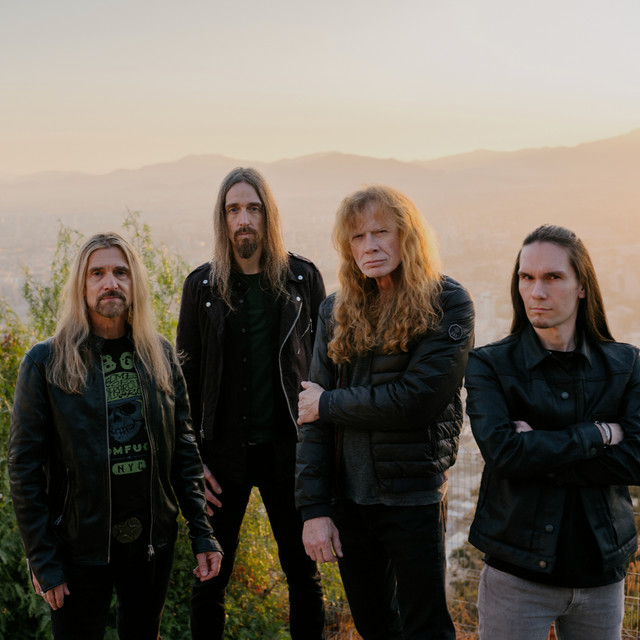
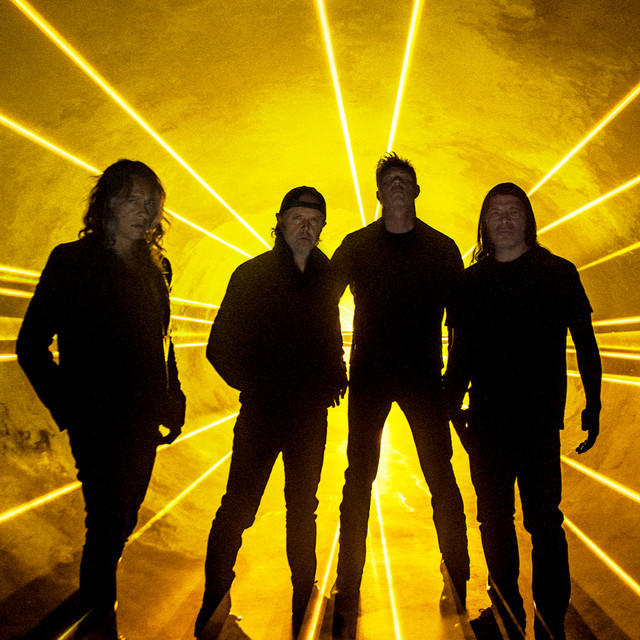
Iron Maiden, Motörhead, Dio, Ozzy Osbourne, and Five Finger Death Punch are the highest ranked by Spotify popularity of the 28 Heavy Metal artists on this page.
Which labels release Heavy Metal?
Napalm Records Handels GmbH, BMG Rights Management (UK), UMe Direct 2, RCA Records Label, and earMUSIC have put out the most Heavy Metal records in the Tracknack catalogue.
What genres are similar to Heavy Metal?
Artists tagged Heavy Metal are most often also tagged Metal, Rock, Hard Rock, Alternative Metal, and Nu Metal.
Stop missing releases.
Tracknack digs through album credits — producers, engineers, labels — so you don't have to. One Spotify or Apple Music playlist, always up to date.