Disco Artists
Four-on-the-floor drums drive syncopated bass, rhythm guitar, bright strings, and punchy horns beneath soulful dance vocals.
67 Disco artists · 219 releases in the last 6 months · Top labels: Columbia, Epic, Sommer House
Related Genres
Artists

























About Disco
A four-on-the-floor kick drum underpins disco, locking its steady pulse to syncopated basslines designed for continuous dancing. Electric rhythm guitar often adds clipped, percussive figures, while electric piano, strings, brass, horns and synthesizers fill out the arrangement. The result can be sleek and orchestral or leaner and more electronic, but the beat stays direct: a regular low-end thump with accents and melodic movement happening around it. Vocals, when present, tend to work as part of the groove as much as a song’s narrative centre.
The music took shape in the late 1960s and 1970s through urban nightlife in New York City, especially Brooklyn, alongside Baltimore and Philadelphia. It drew together records and dance-floor practices associated with African American, Latino American and Italian American communities. Discothèques had already arrived in Manhattan through Le Club, opened by French expatriate Olivier Coquelin on New Year’s Eve 1960, but disco’s musical identity came from the DJs, dancers, producers and performers turning those spaces into places for long, flowing sets rather than isolated songs.
Production is central to the style. Disco arrangements make room for rhythm sections and studio detail, using bass, guitar and percussion as interlocking parts rather than simply backing a lead singer. Strings and horns can add sweep without interrupting the beat; synthesizers can sharpen the pulse or supply a futuristic sheen. That combination separates disco from rock’s band-centred drive and from much pop’s compact, hook-first construction. It also differs from later house music, which commonly reduces the arrangement toward drum machines and repetition, even though house inherited disco’s floor-focused momentum.
By the late 1970s, disco had developed in the United States and Europe through a close relationship between club DJs and record production. Its rhythmic grammar later fed electronic dance music, hip-hop, new wave, dance-punk and post-disco. Modern disco and nu-disco productions often revisit the same essentials: an unwavering kick, elastic bass, bright rhythm guitar, and arrangements that keep the body moving before they ask for attention.
Disco at a glance
Top Labels
Notable Contributors
Recent Releases


Common questions
What is Disco?
Disco is a music genre defined by four-on-the-floor beats, syncopated basslines, orchestral string arrangements, brass and horn sections, and electric rhythm guitar. Four-on-the-floor drums drive syncopated bass, rhythm guitar, bright strings, and punchy horns beneath soulful dance vocals.
What BPM is Disco?
Disco tracks typically run between 110 and 130 BPM.
Where did Disco come from?
Disco originated in New York City, Philadelphia, and Baltimore, late 1960s.
What instruments are used in Disco?
Disco is built mainly from drum kit, electric bass, electric piano, electric guitar, synthesizer, and string section.
Which Disco artists are most popular?
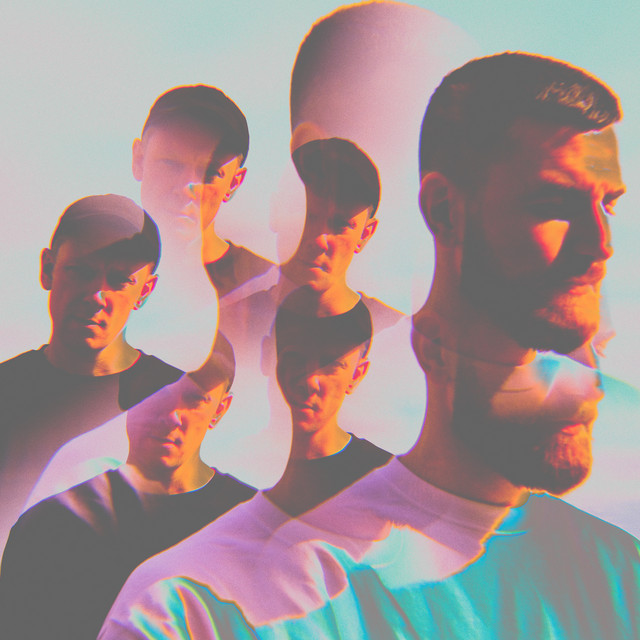
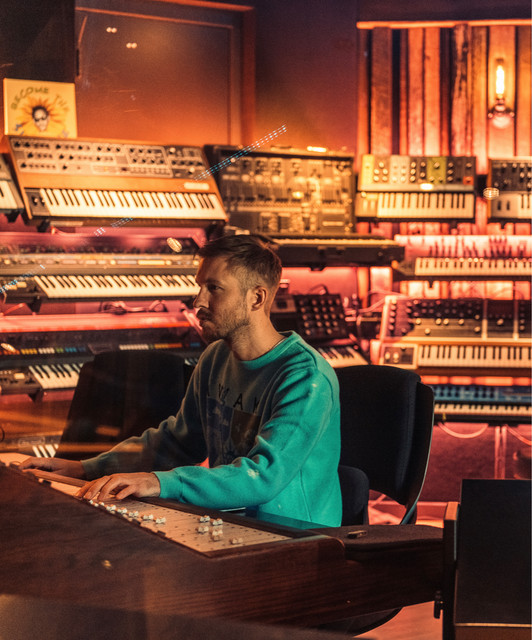
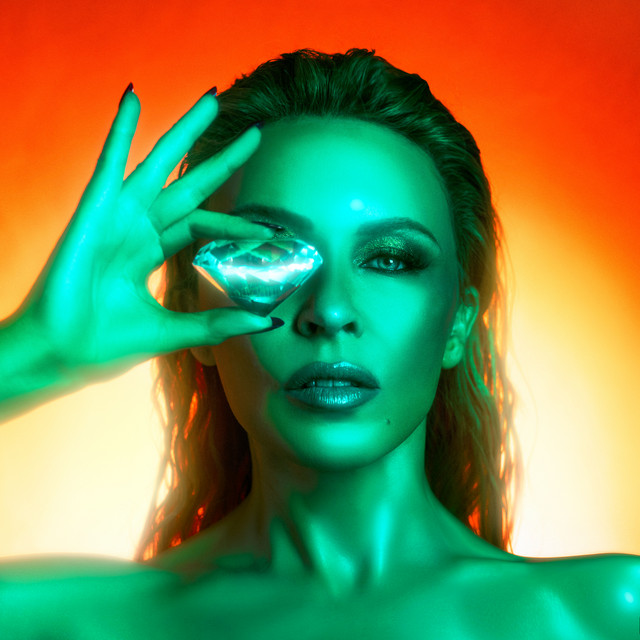
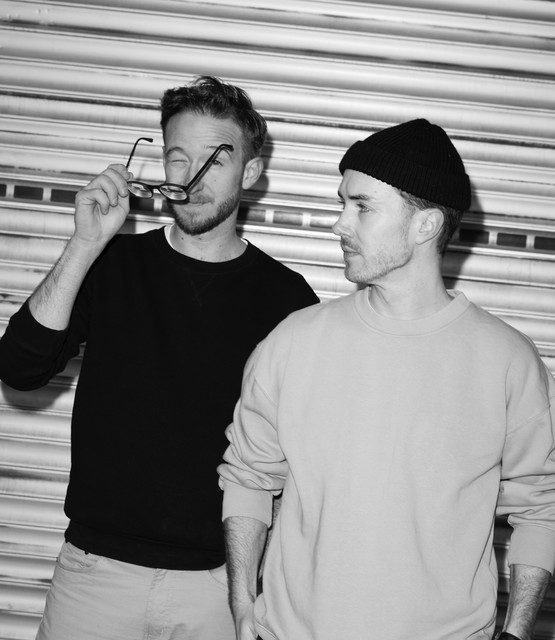
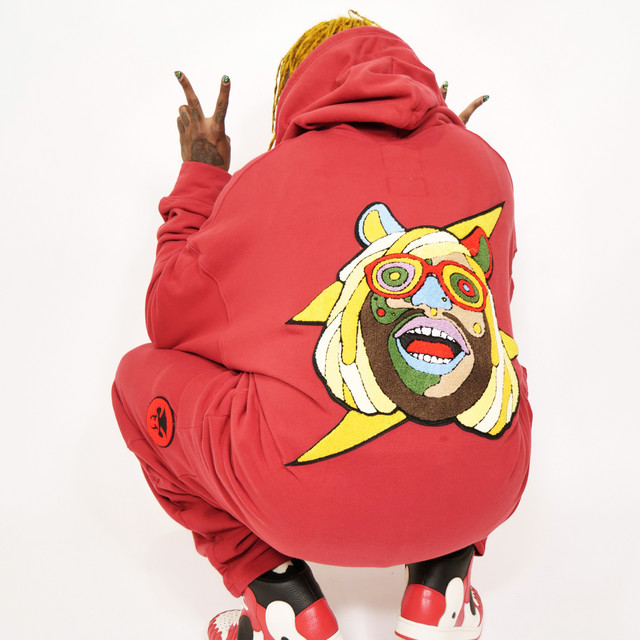
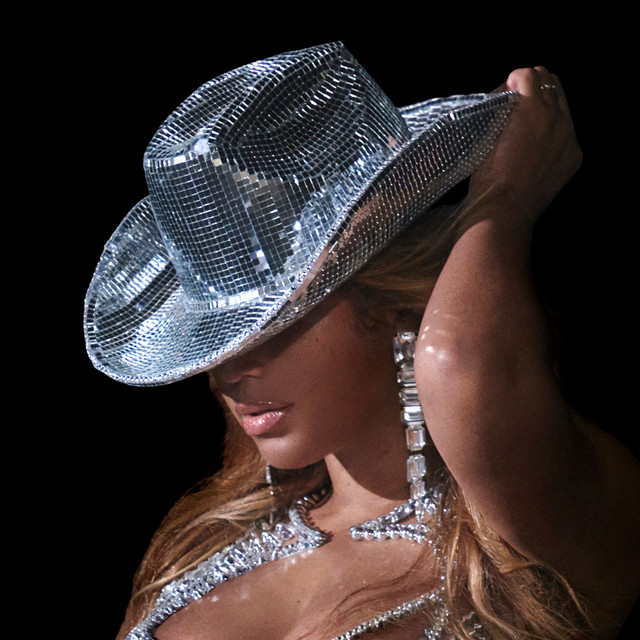
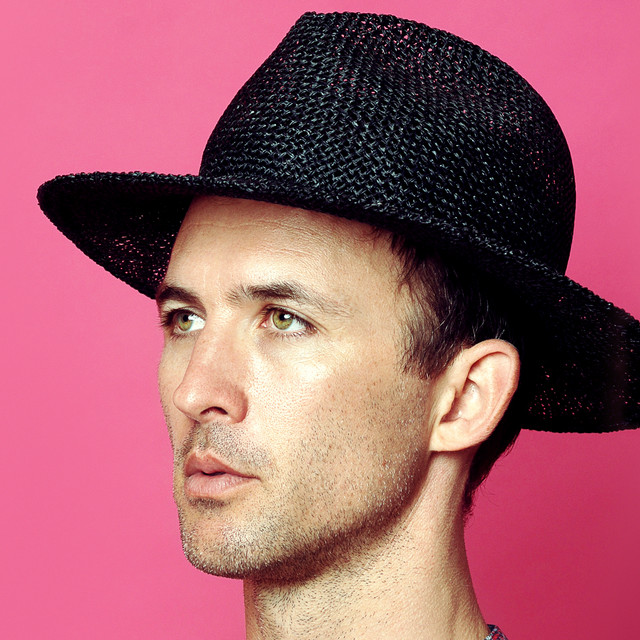
Bicep, Parcels, Calvin Harris, Kylie Minogue, and Zara Larsson are the highest ranked by Spotify popularity of the 67 Disco artists on this page.
Which labels release Disco?
Columbia, Epic, Sommer House, Katermukke, and EMI have put out the most Disco records in the Tracknack catalogue.
What genres are similar to Disco?
Artists tagged Disco are most often also tagged House, Electronic, Dance, Electronica, and Pop.
Stop missing releases.
Tracknack digs through album credits — producers, engineers, labels — so you don't have to. One Spotify or Apple Music playlist, always up to date.