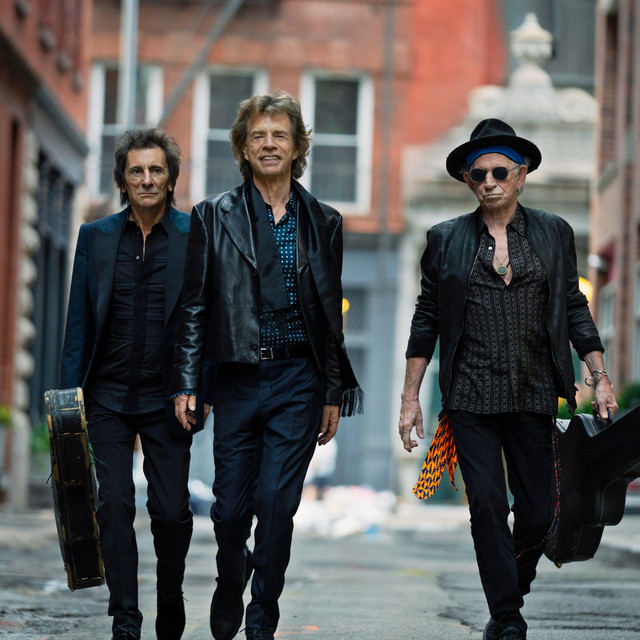
The Rolling Stones
The Rolling Stones emerged from London’s rhythm-and-blues circuit in 1962 and became one of rock’s longest-running groups. Their early sound drew directly from blues and early rock and roll, first through cover versions and then through original material written chiefly by Mick Jagger and Keith Richards. Along with the Beatles, they stood at the centre of the British Invasion in 1964, while their tougher, rhythm-driven approach helped lay the groundwork for hard rock.
The band’s first stable line-up brought together Jagger, Richards, multi-instrumentalist Brian Jones, bassist Bill Wyman and drummer Charlie Watts. Keyboardist Ian Stewart was side-lined from the official line-up by manager Andrew Loog Oldham, but remained vital as road manager and session and touring pianist until his death in 1985. Jones initially led the group, but Oldham’s encouragement to write songs shifted its creative centre toward the Jagger-Richards partnership.
By the mid-1960s, the Stones were scoring international number-one singles with “(I Can’t Get No) Satisfaction,” “Get Off of My Cloud” and “Paint It Black.” Their 1966 album Aftermath, the first made entirely of original material, marked a decisive point in that development. They explored psychedelic rock on Their Satanic Majesties Request in 1967, after the double-sided hit “Ruby Tuesday” and “Let’s Spend the Night Together,” then returned to a blues-rooted rock sound with “Jumpin’ Jack Flash,” “Honky Tonk Women,” Beggars Banquet and Let It Bleed. The latter albums included “Sympathy for the Devil,” “Street Fighting Man,” “Gimme Shelter” and “You Can’t Always Get What You Want.”
Jones left in 1969, weeks before his death, and guitarist Mick Taylor joined the band. In 1970, the Stones formed Rolling Stones Records, launching it with Sticky Fingers in 1971. Featuring “Brown Sugar” and “Wild Horses,” it began a run of eight consecutive US number-one studio albums. Exile on Main St. followed in 1972 with “Tumbling Dice” and “Happy,” while Goats Head Soup produced “Angie” in 1973. Taylor departed at the end of 1974 and was succeeded by Faces guitarist Ronnie Wood.
The group’s later catalogue included Some Girls, with “Miss You” and “Beast of Burden,” and Tattoo You, which featured “Start Me Up.” Steel Wheels in 1989 and Voodoo Lounge in 1994 were accompanied by major stadium and arena tours. After Wyman left in 1993, Darryl Jones became their regular bassist, while the official core continued as Jagger, Richards, Wood and Watts until Watts’ death in 2021. Steve Jordan then became regular drummer.
Hackney Diamonds, released in October 2023, was the Stones’ first album of new original material in 18 years and their fourteenth UK number-one album. Their latest album, Foreign Tongues, arrived in July 2026. With estimated sales above 250 million albums, four Grammy Awards, a Grammy Lifetime Achievement Award, and inductions into the Rock and Roll Hall of Fame and UK Music Hall of Fame, the Rolling Stones’ record spans more than six decades of recordings and live performance.
Details
17M followers
Latest Release
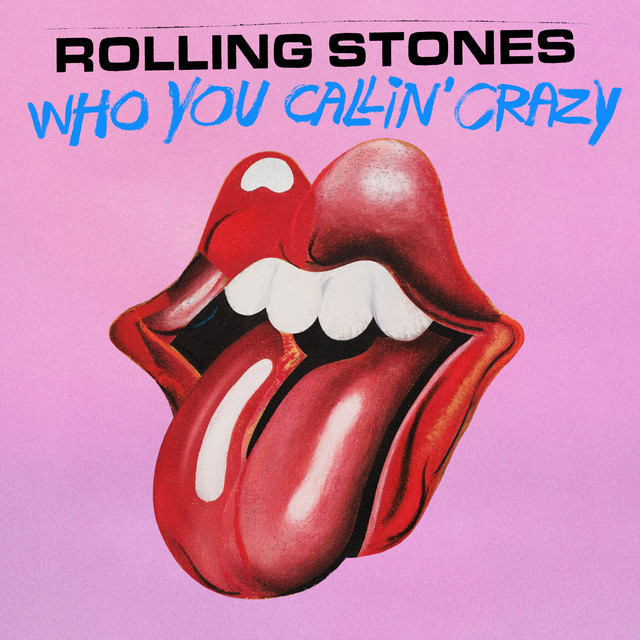
Who You Callin' Crazy
This is the most recent release from The Rolling Stones, out .
Discography
Frequently Appears With
- Keith Richards(4 releases)
- Mick Jagger(4 releases)
- Andrew Watt(3 releases)
- Big Active(3 releases)
- Bráulio Amado(3 releases)
- Mat Maitland(3 releases)
- Paul Lamalfa(3 releases)
- Randy Merrill(3 releases)
- Ron Wood(3 releases)
- Serban Ghenea(3 releases)
Labels
- Polydor Records
- Polydor
- Rolling Stones Records
- The Rolling Stones - Mercury Studios
- UMC (Universal Music Catalogue)
Related Artists
- Stereo Jane
- Jagger-Richards
- James Pebworth
- Charlie Watts
- Curley Taylor
- Harpaal Sanghera
- John Webber
- Randy Merrill
- David Ranson
- Bráulio Amado
Stop missing releases.
Tracknack digs through album credits — producers, engineers, labels — so you don't have to. One Spotify or Apple Music playlist, always up to date.